





Alephium
@alephium


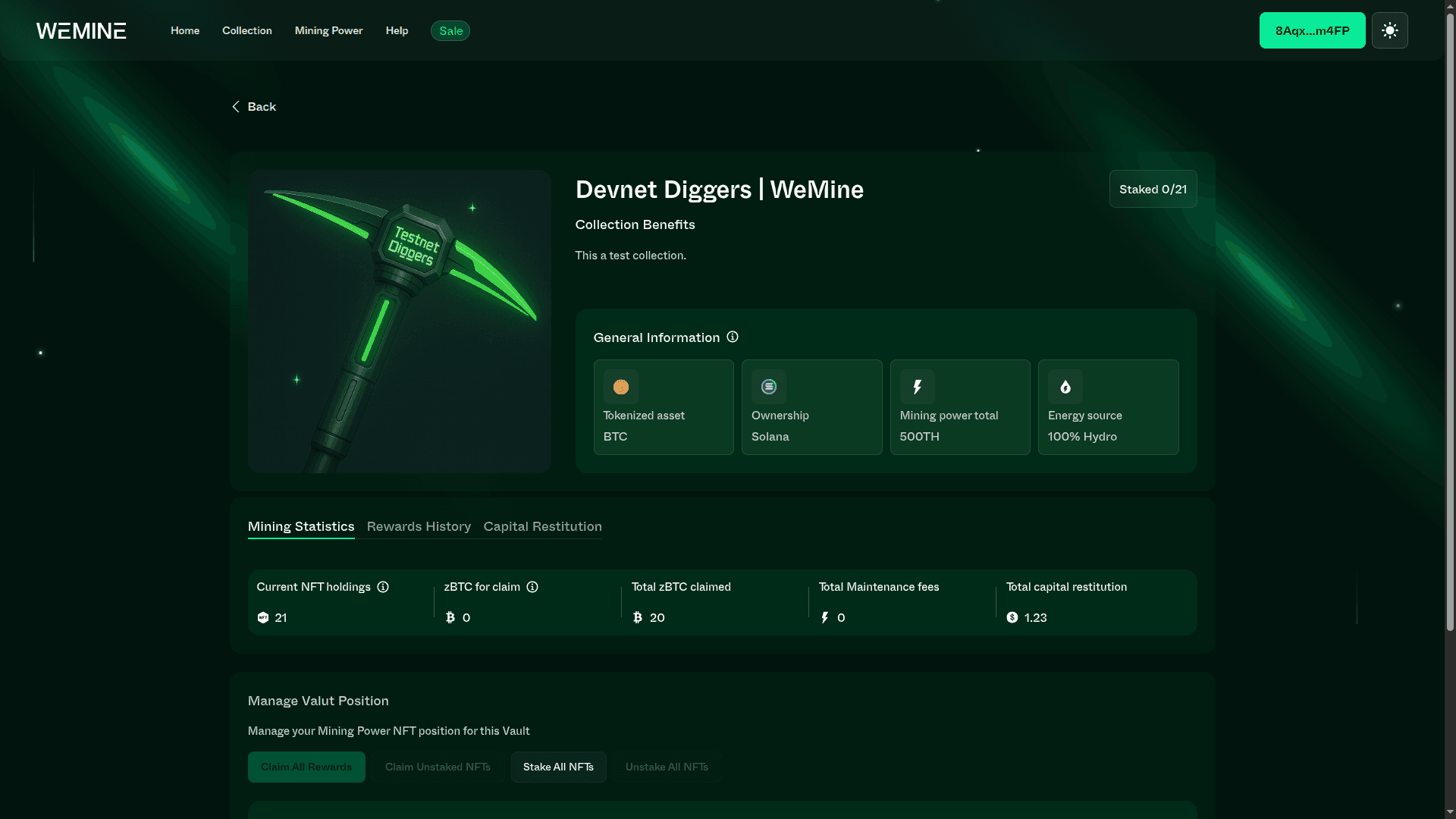
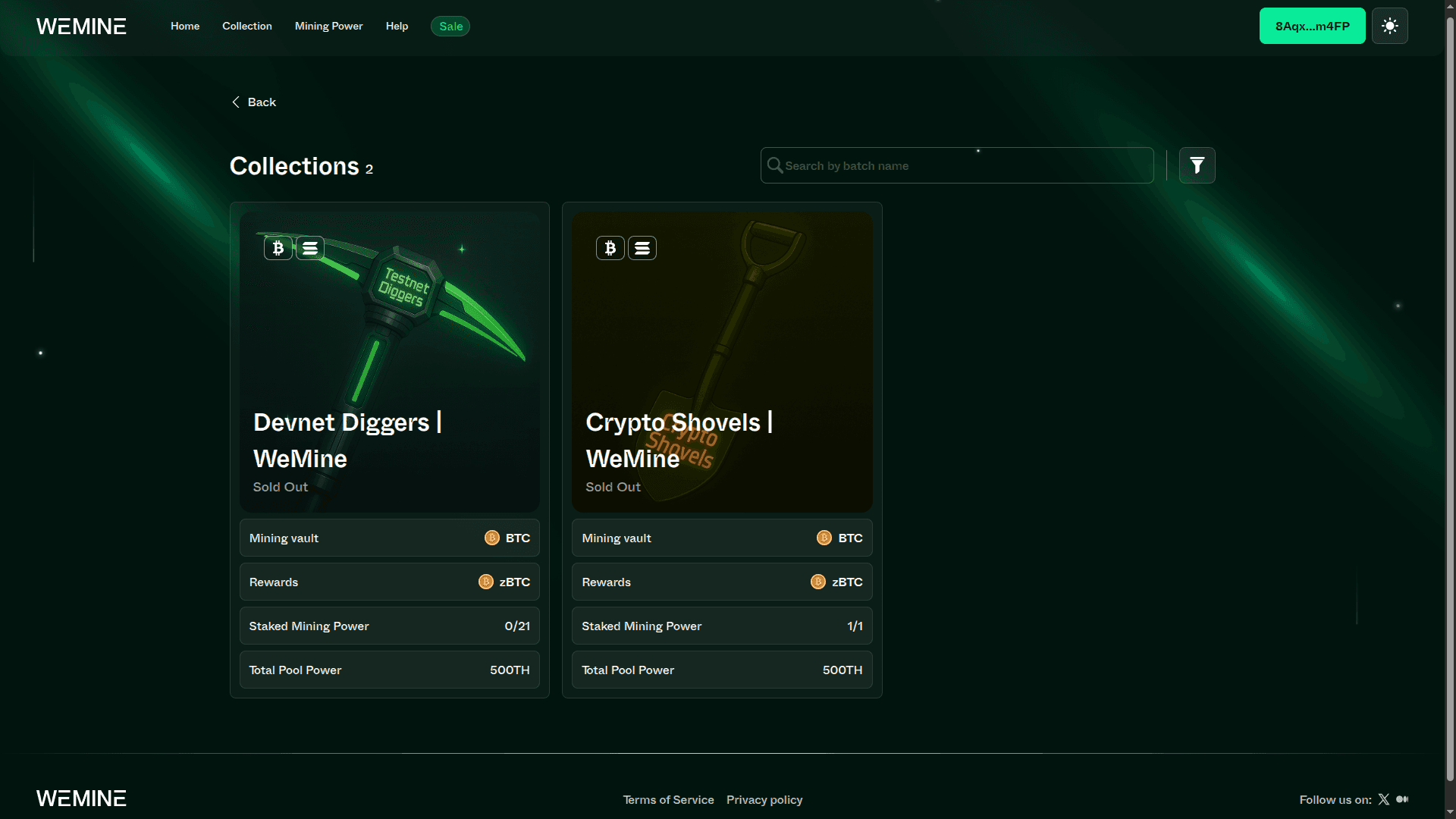
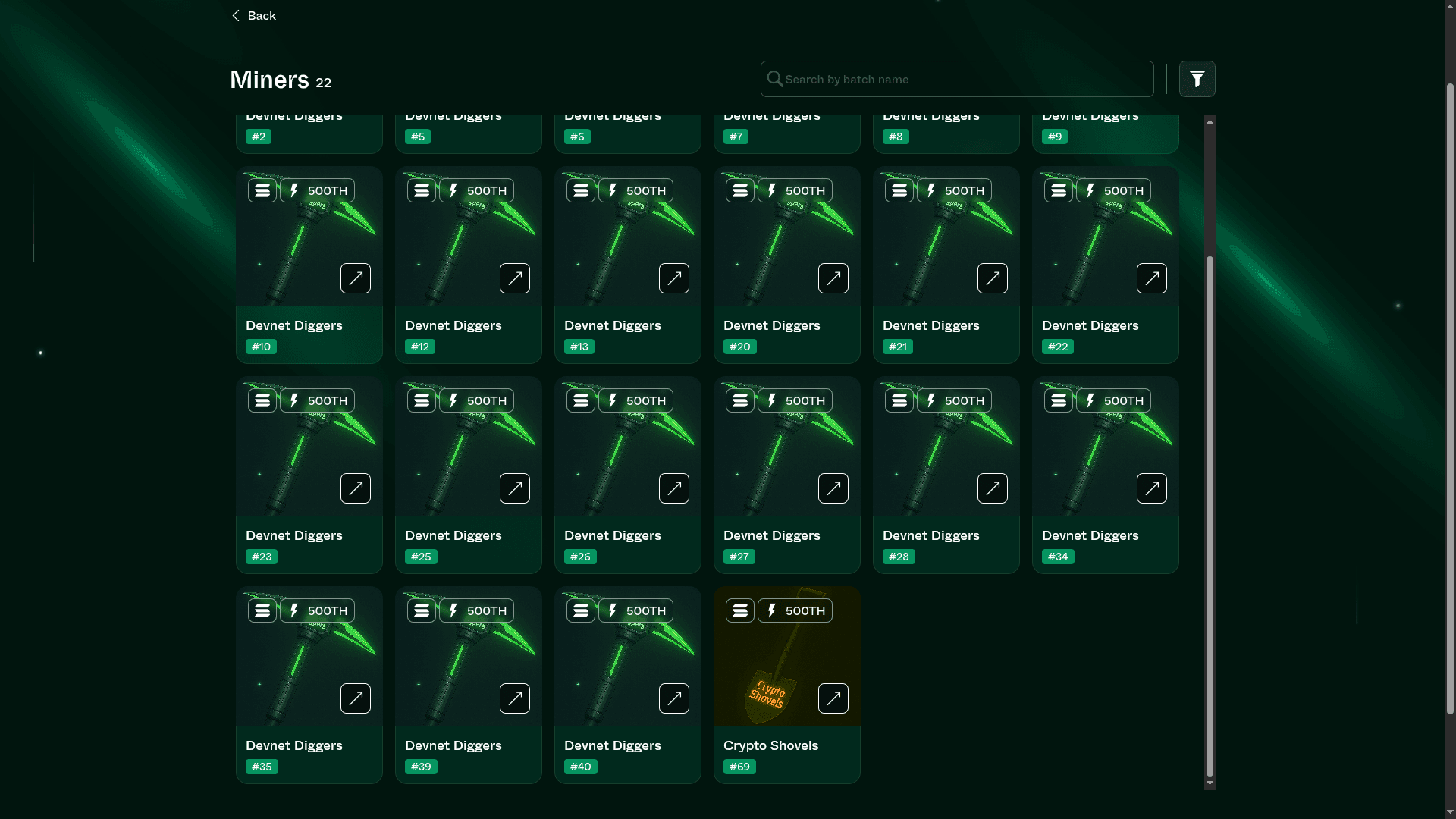
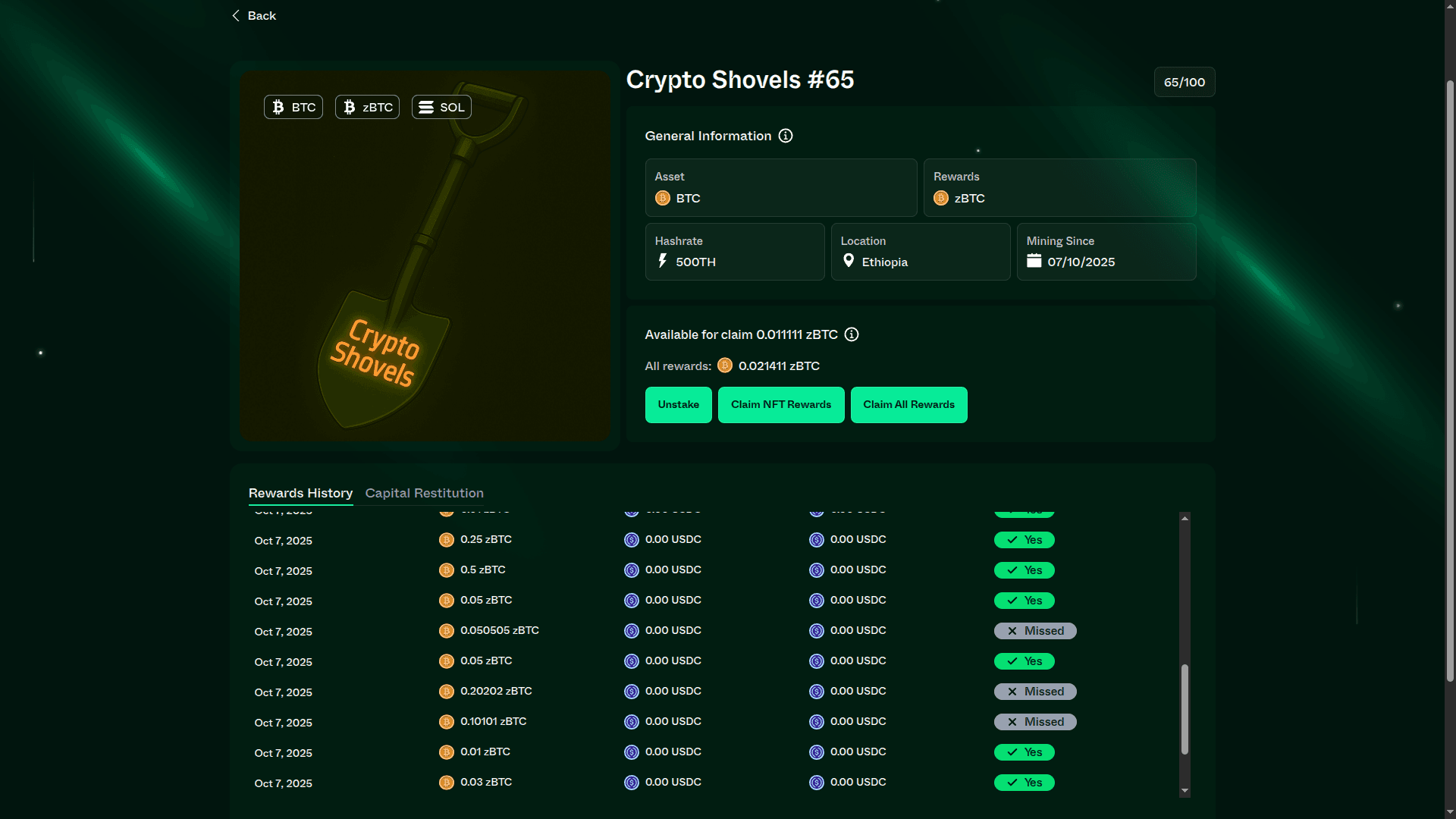
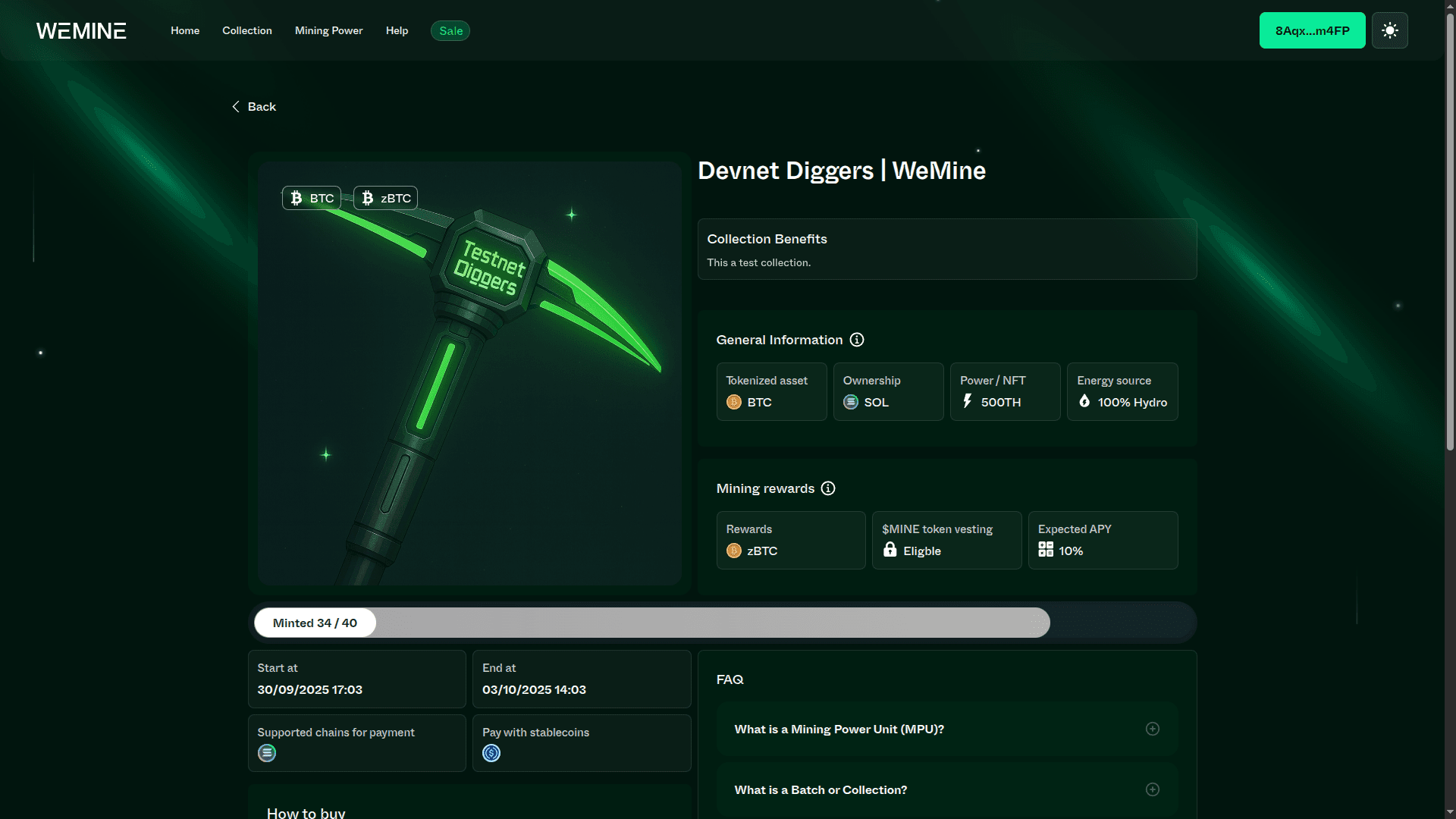
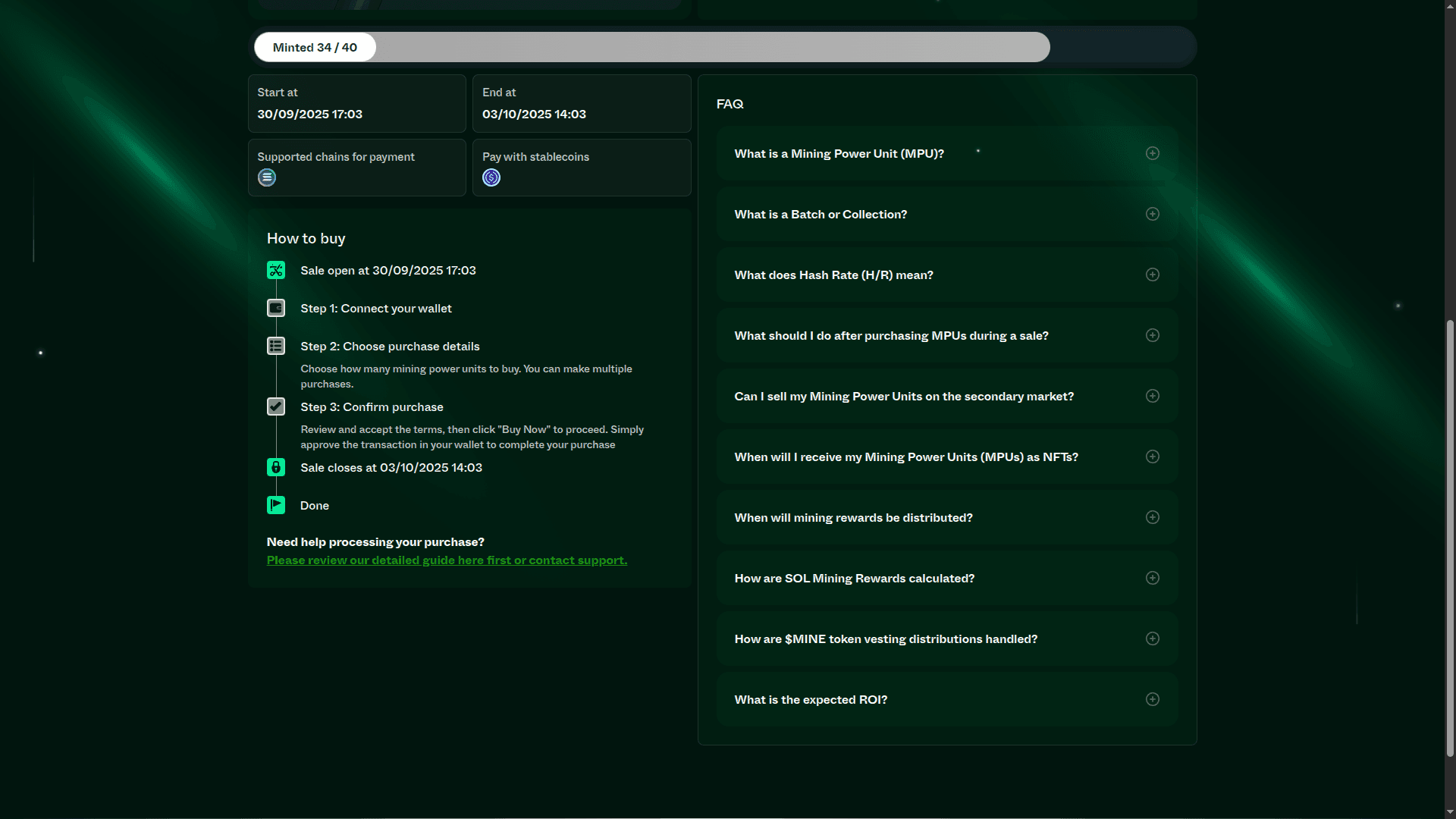
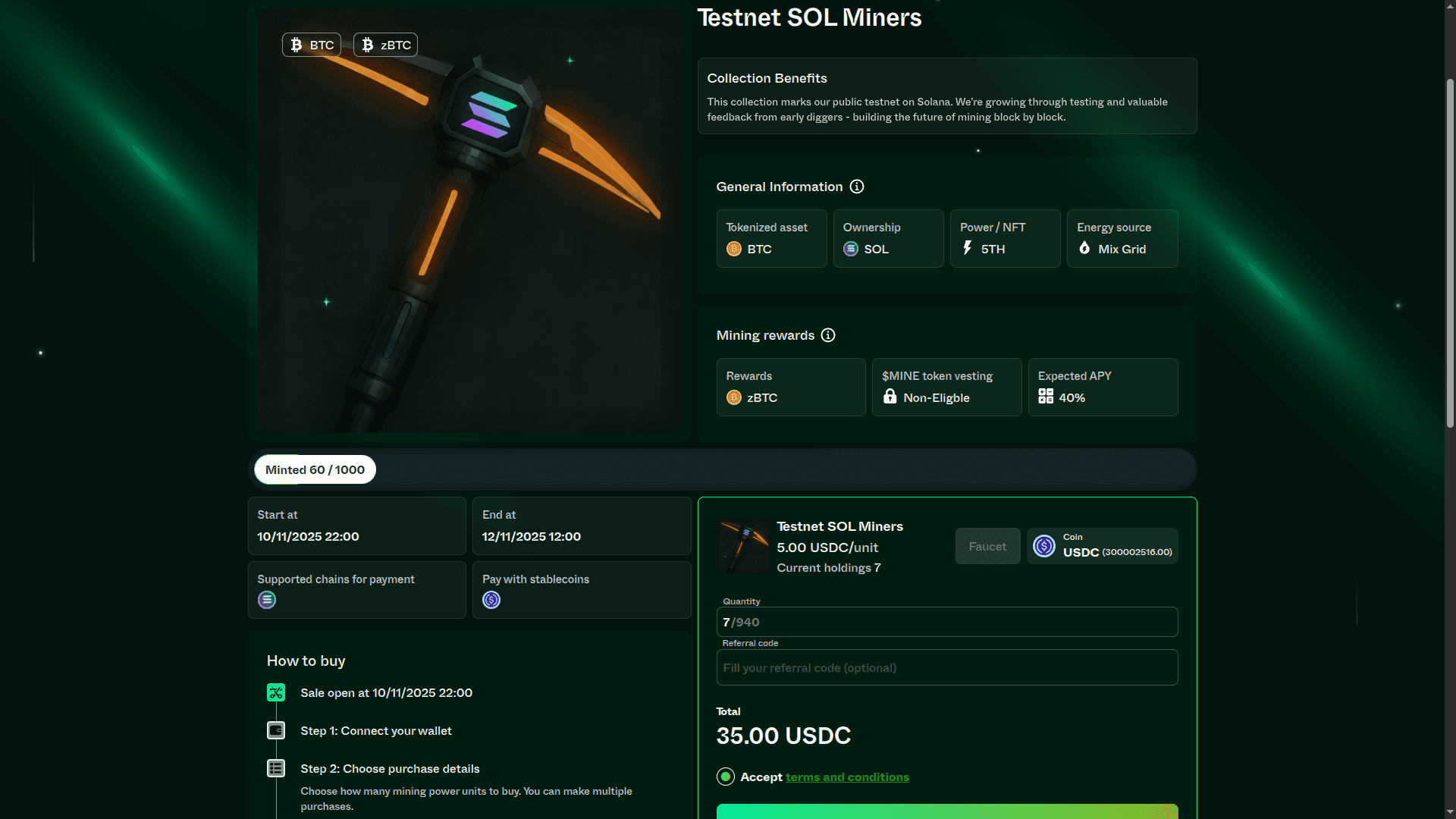
WeMine is the first-ever Liquid Staking protocol built on Proof-of-Work (PoW) networks. By tokenizing real mining hash rate through NFTs, it allows anyone to earn mining rewards from Bitcoin, Litecoin, Dogecoin, and Alephium without owning mining hardware. Our team developed the full staking and vault logic, NFT minting system via custodial bots, and event listeners across multiple blockchains. We also implemented cross-chain NFT sales spanning BSC, Avalanche, Base, and Alephium. The protocol was built in two compatible versions for Solana and Alephium, leveraging each network’s unique capabilities to enhance user experience. WeMine democratizes mining participation through tokenized access to institutional-grade mining vaults and seamless cross-chain infrastructure.


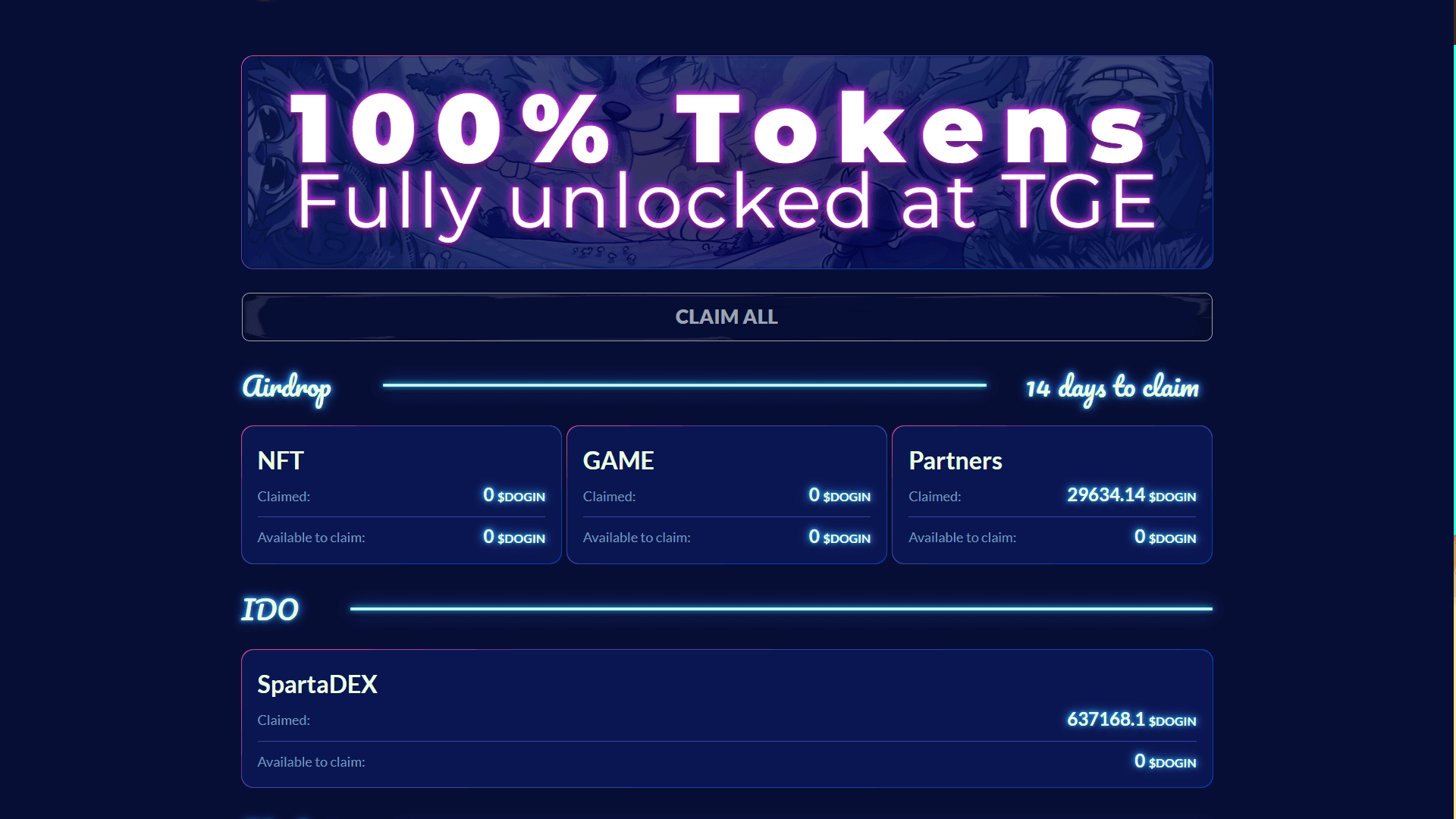
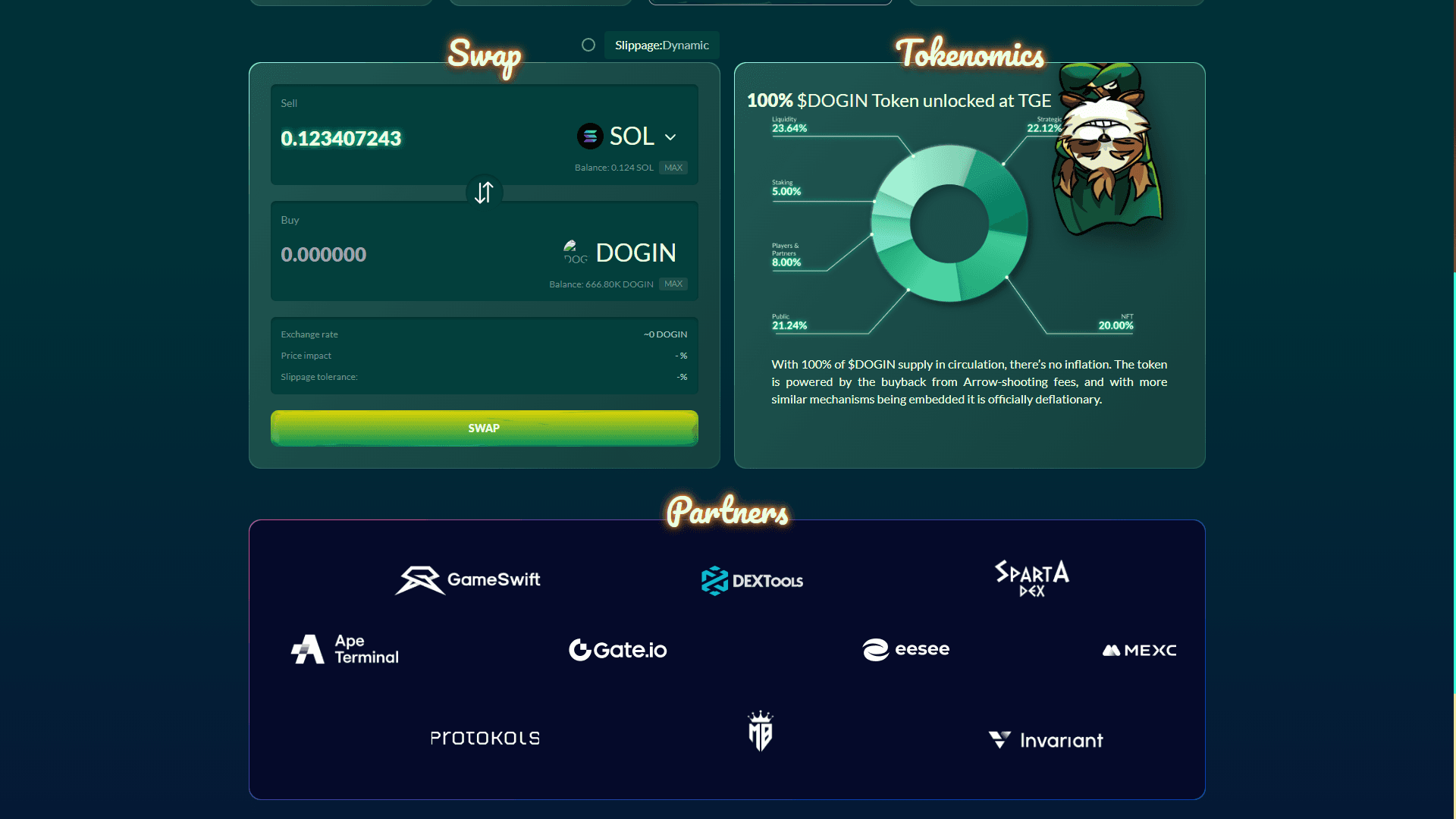
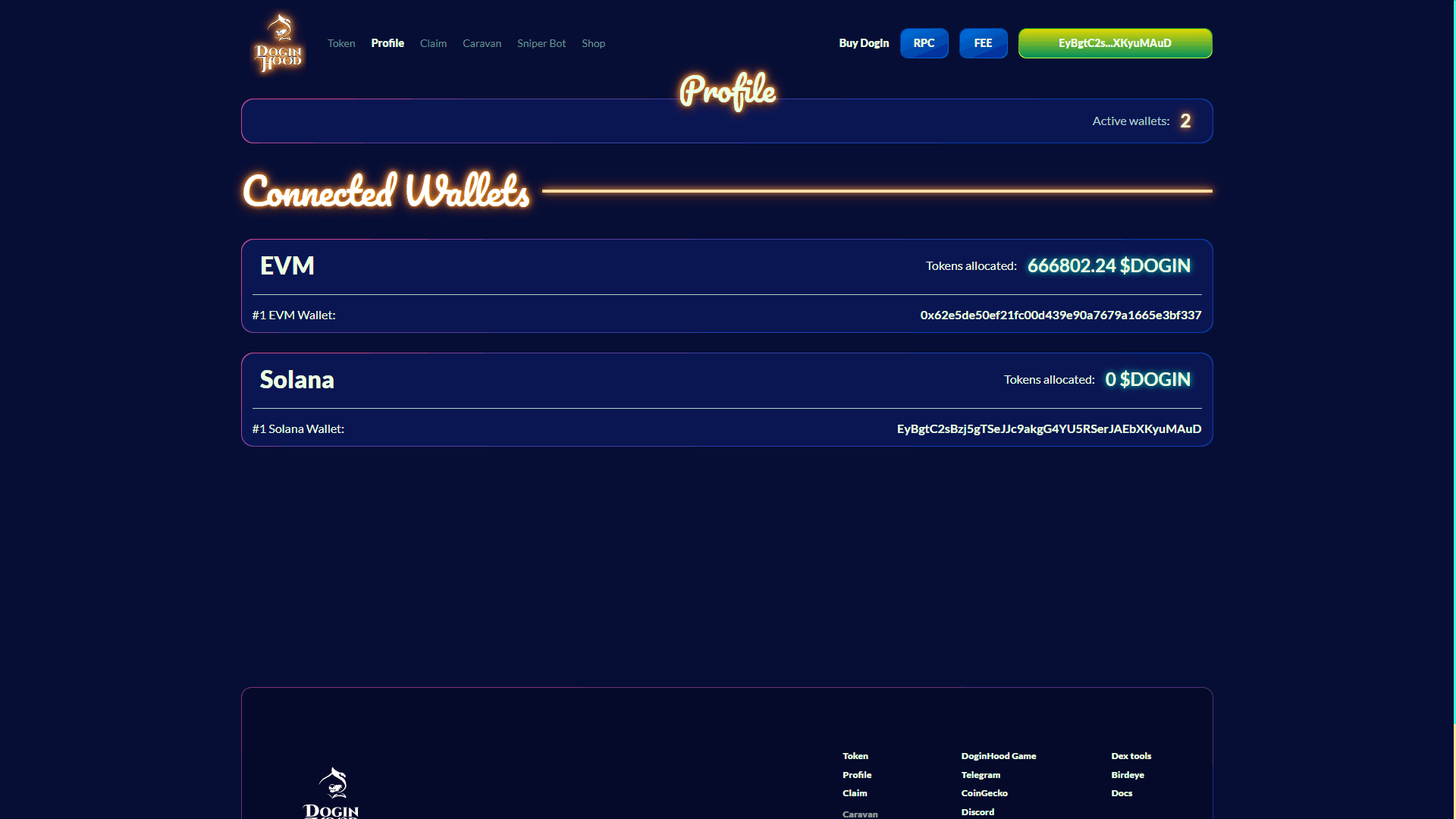
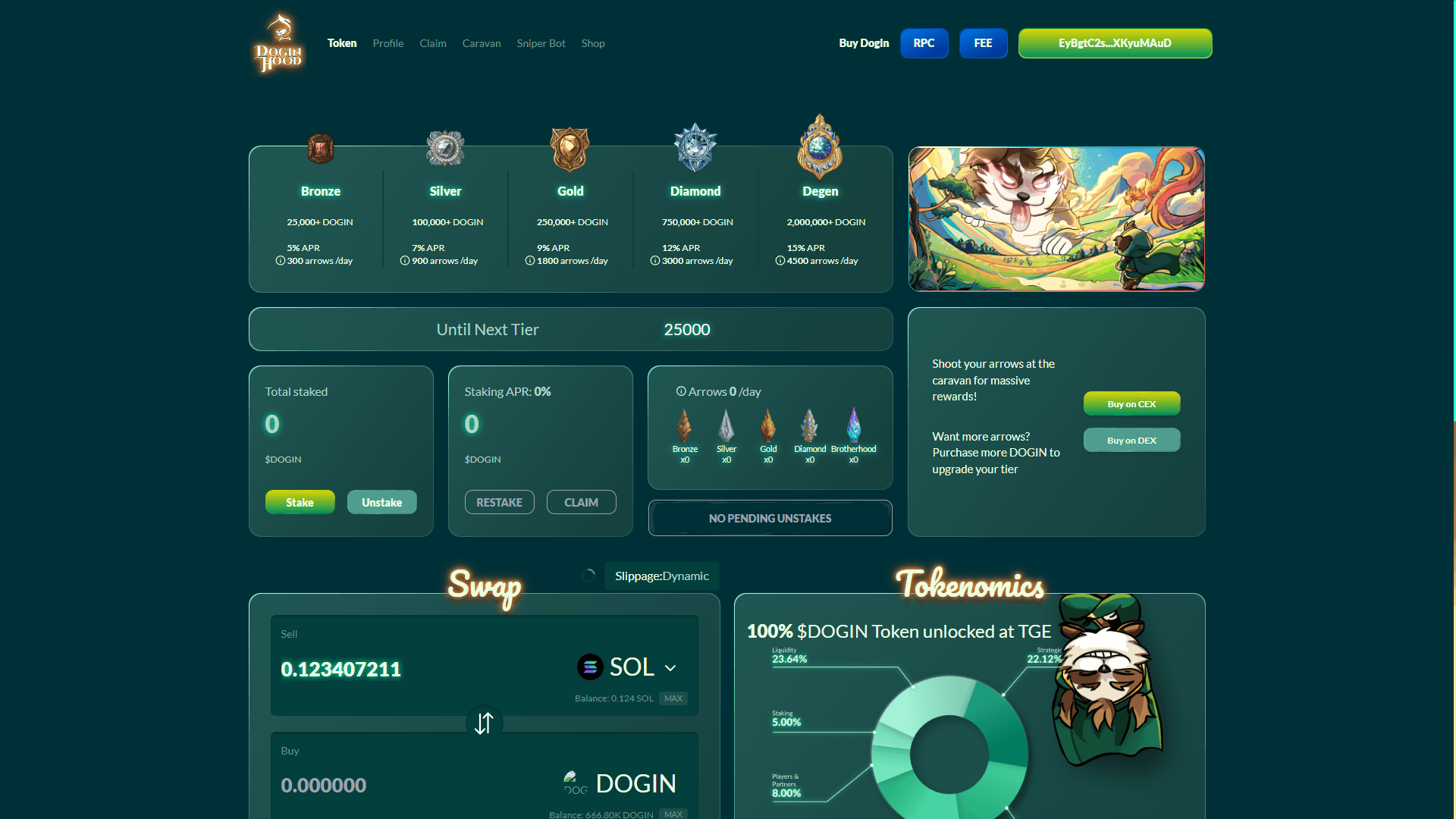
Dogin is a real-time on-chain game and cross-chain platform that aggregates user activity data from Ethereum and Solana, enabling reward distribution and DOGIN token claims exclusively on Solana, eliminating the need for multi-chain airdrops. The system mitigates token unlock volatility through vesting and time-lock mechanisms that protect price stability, while liquid staking tokens (LSTs) allow locked DOGIN to generate staking rewards and remain liquid within DeFi. A gamification layer with NFT arrows, leaderboards, and caravan events enhances post-airdrop engagement and retention. Integration of verifiable random functions (VRF) and a two-step RNG verification ensures provably fair gameplay and resistance to manipulation. Dogin successfully executed a cross-chain airdrop for over 60,000 users.


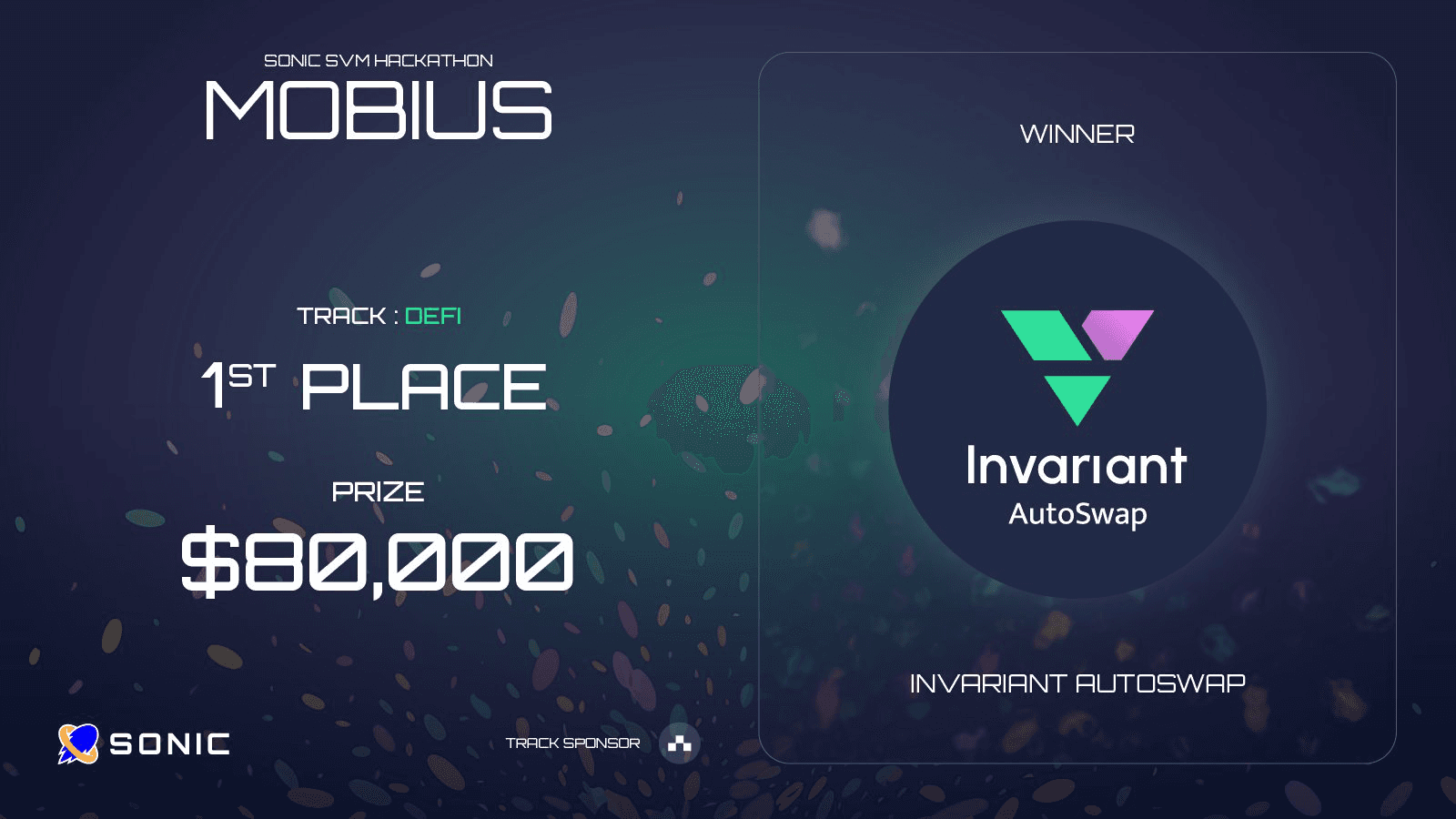
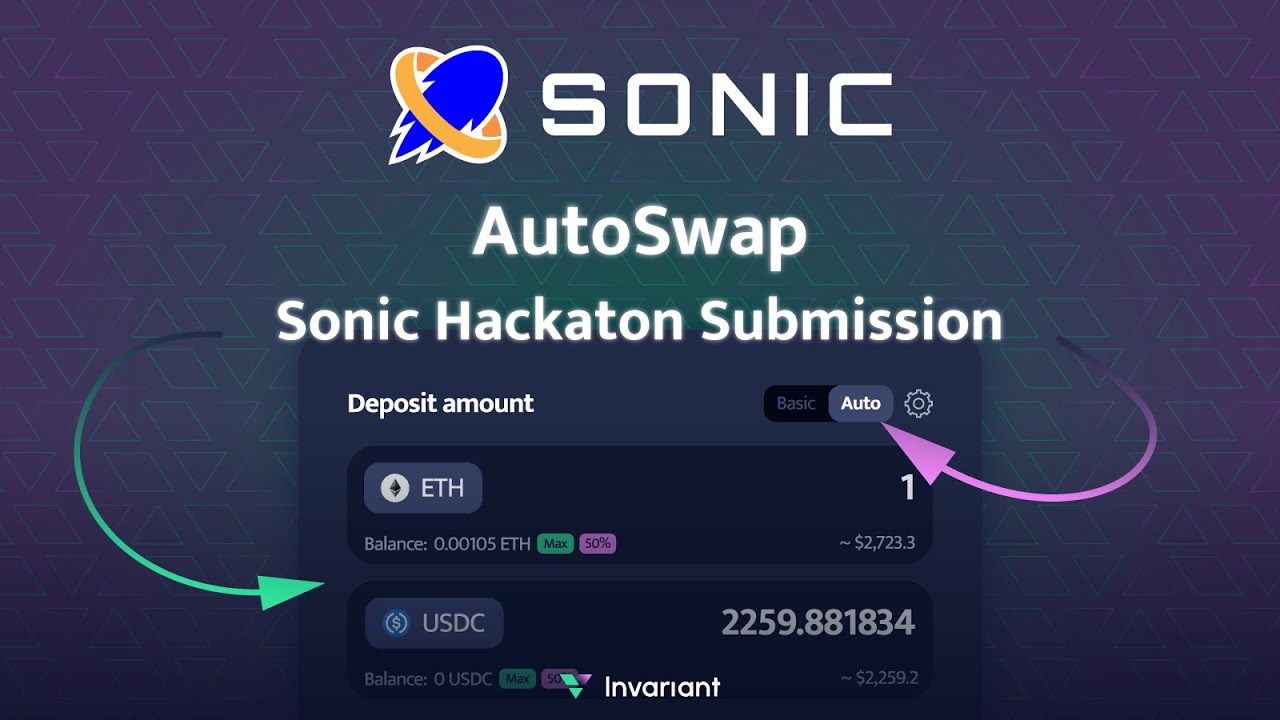
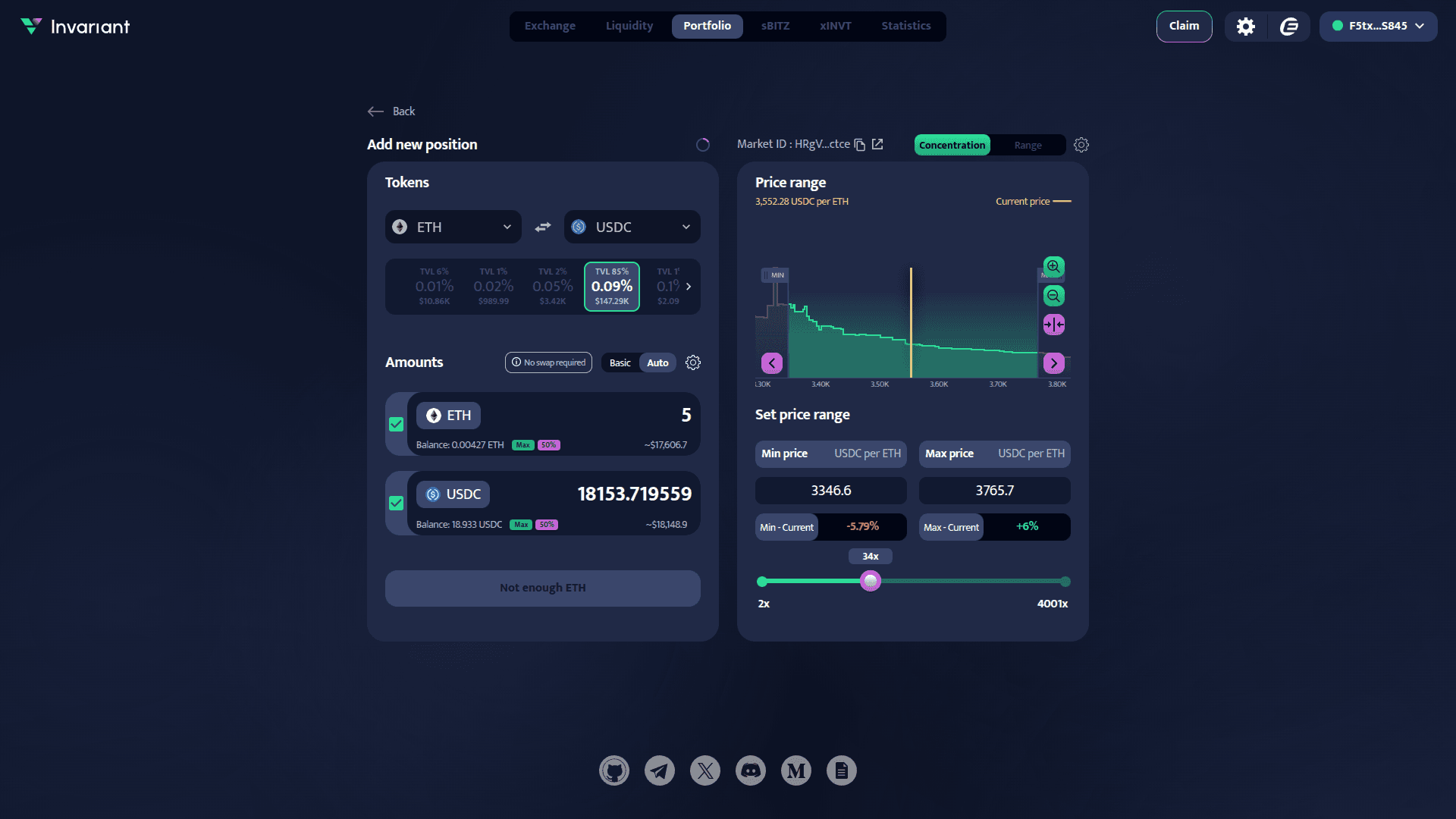
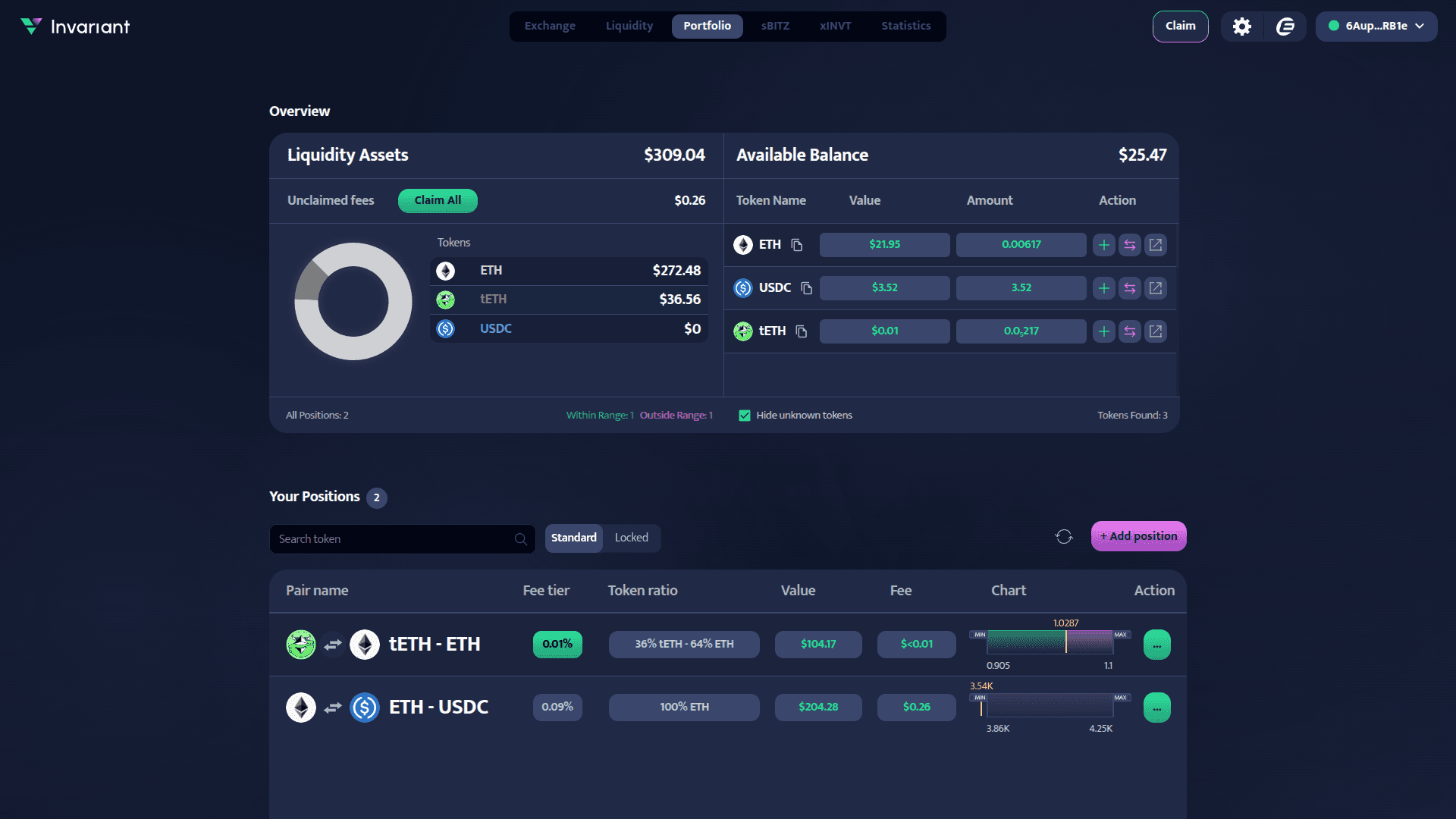
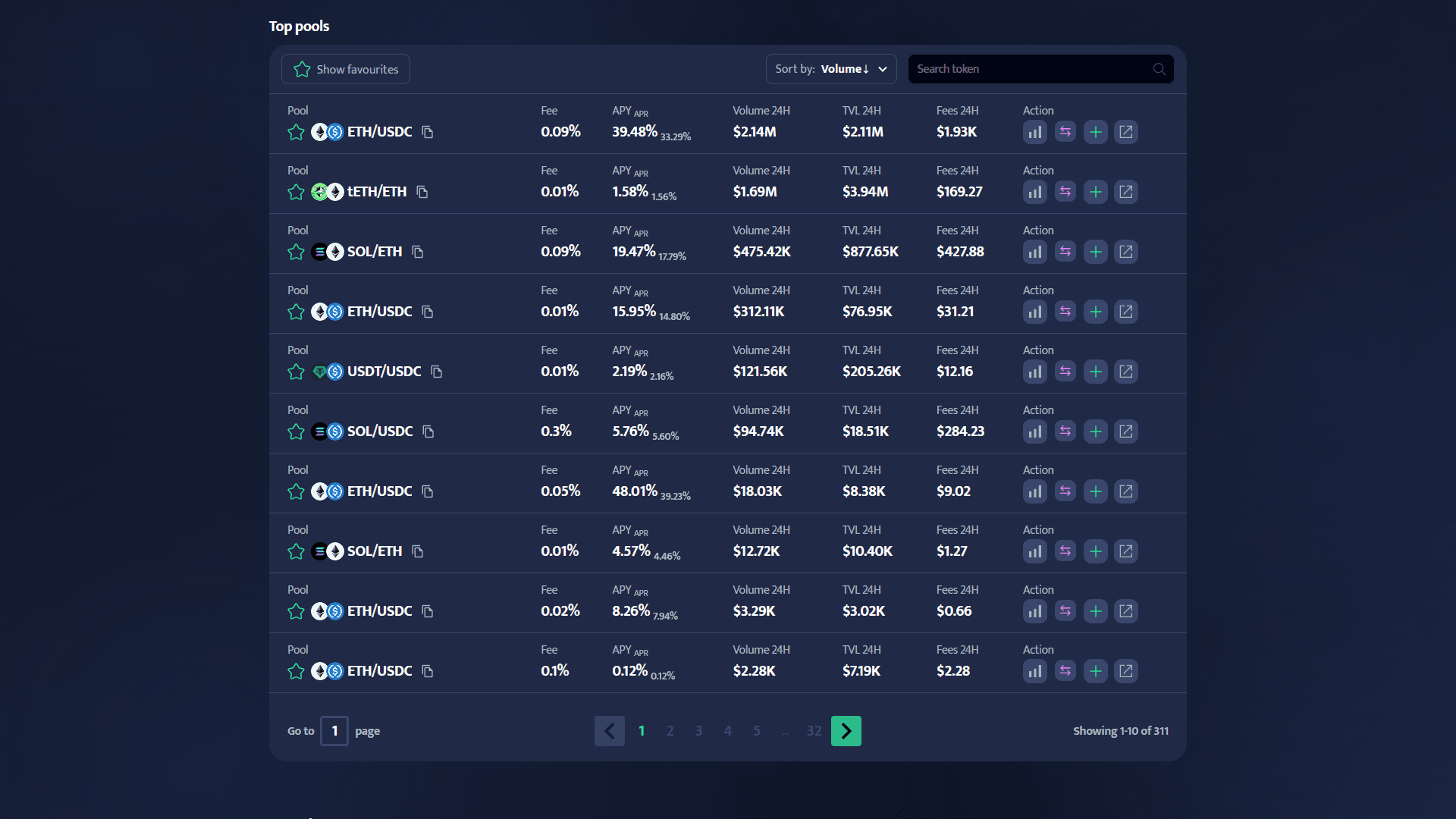
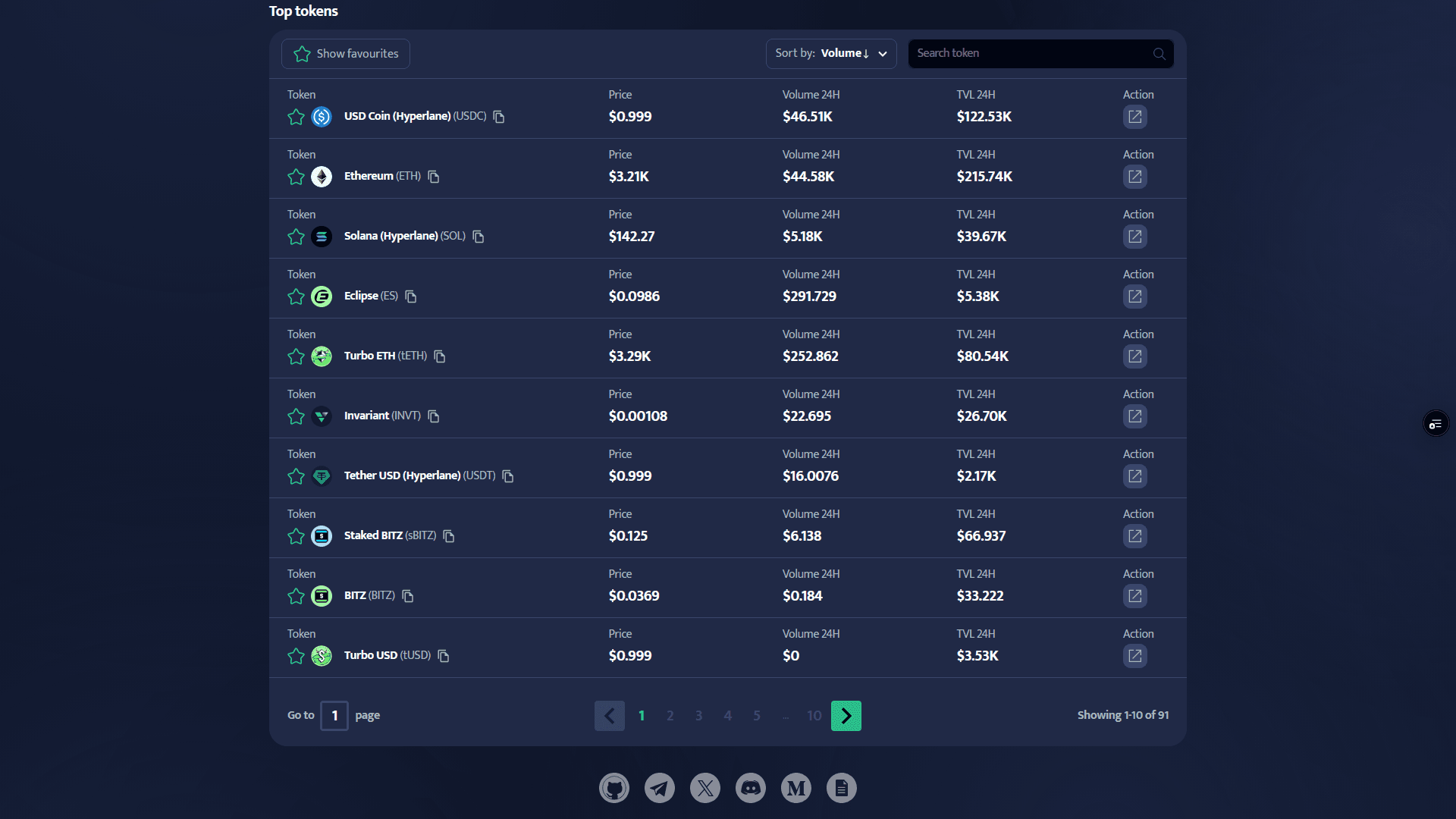
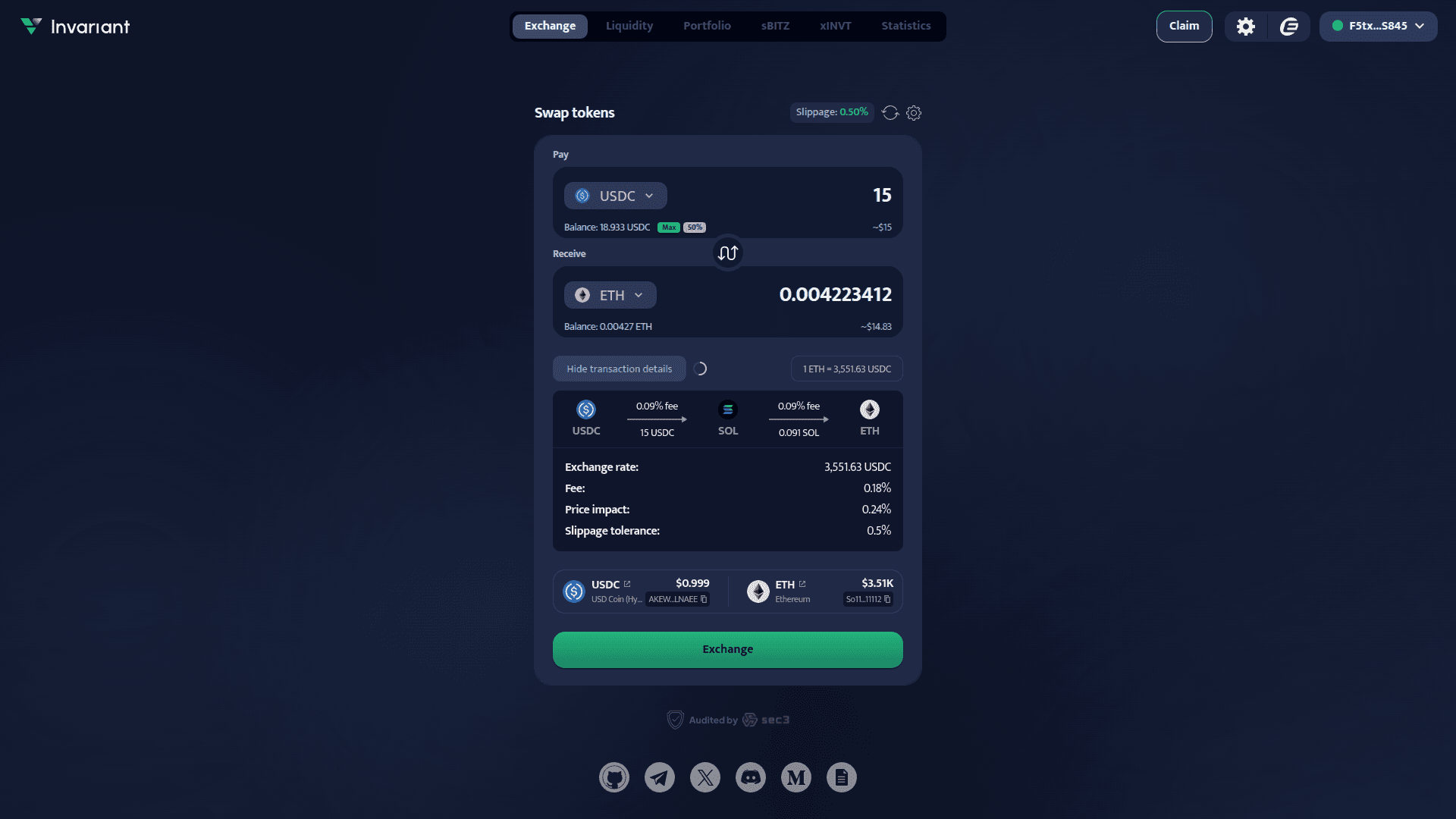
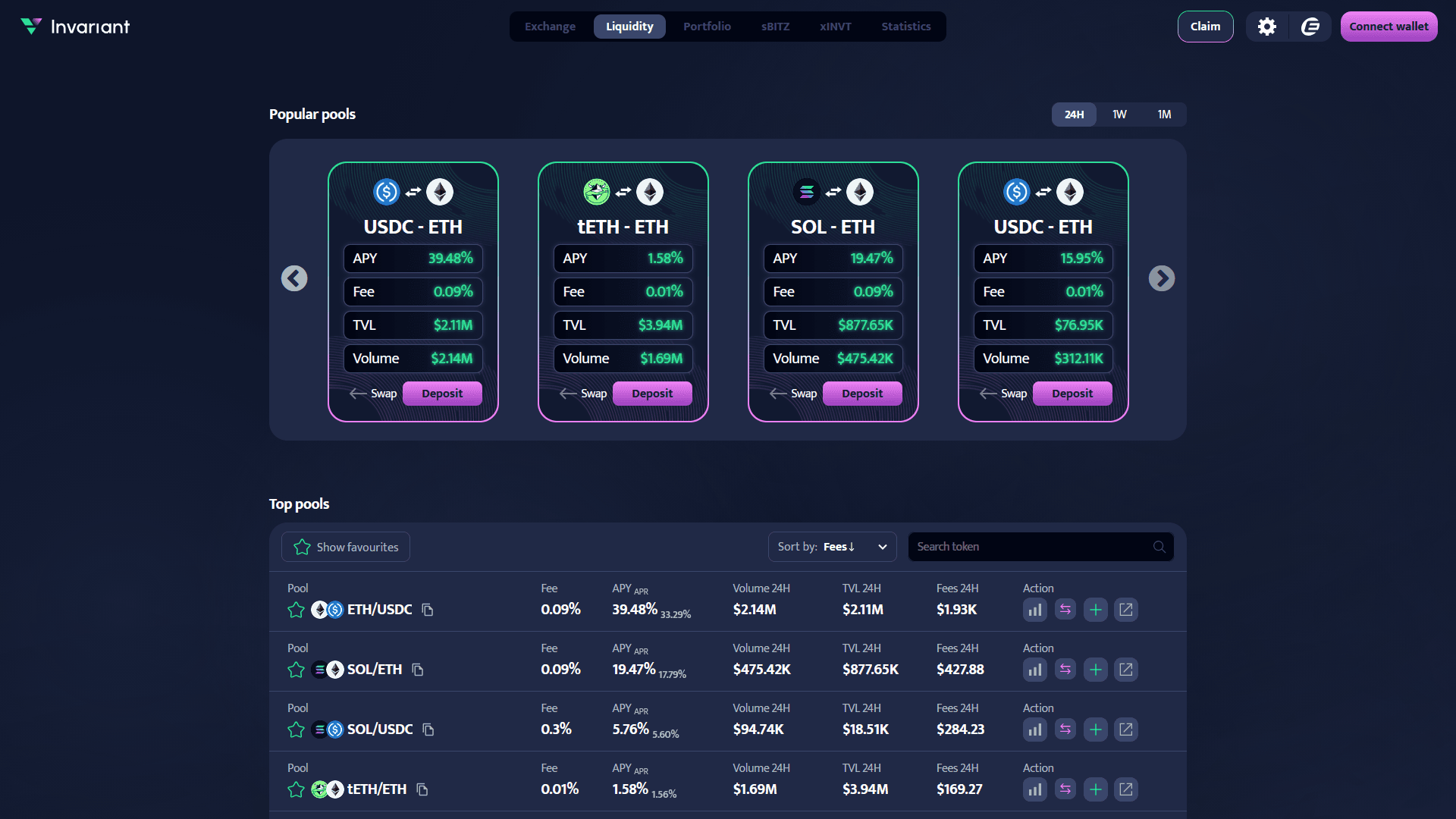
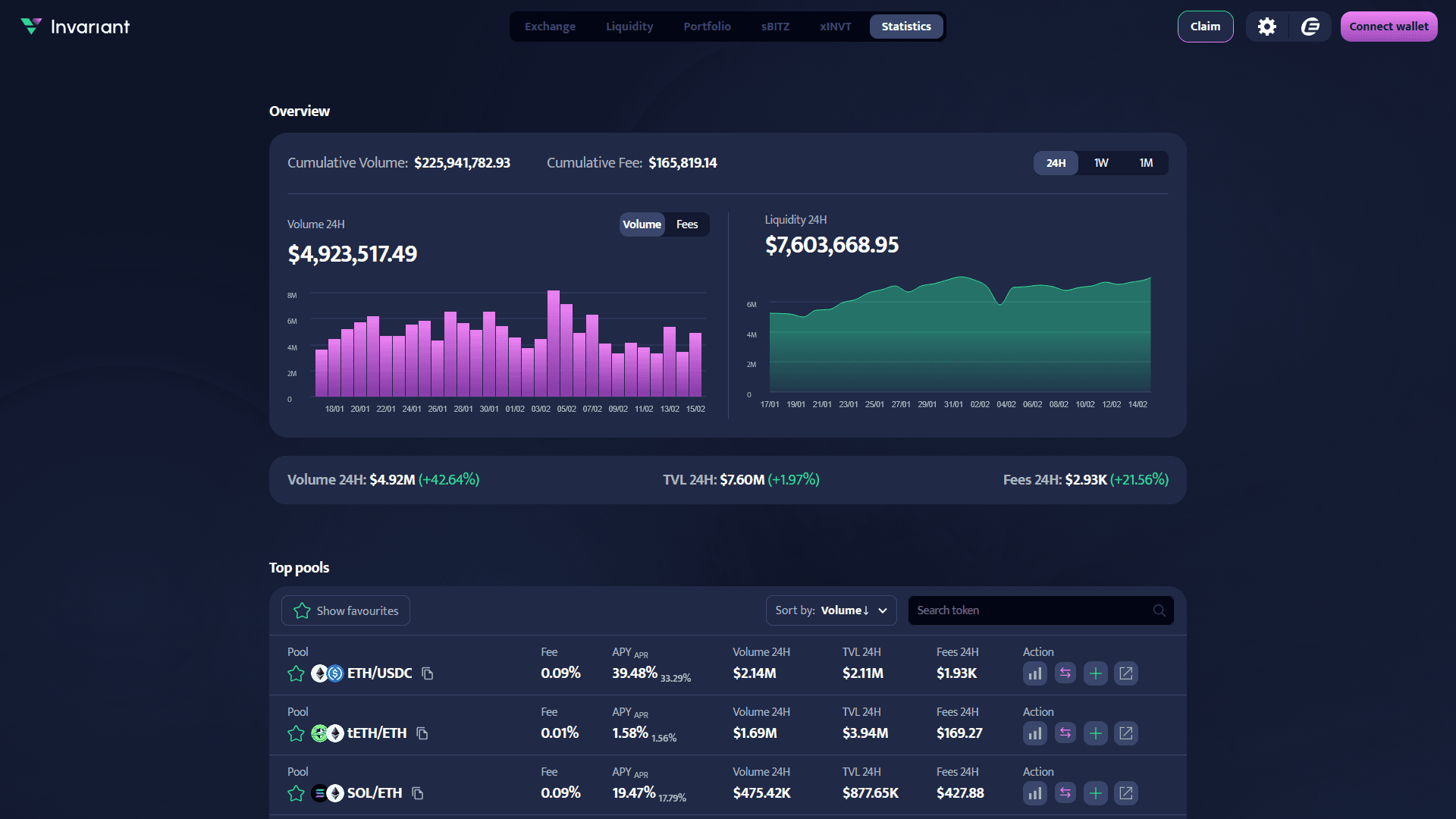
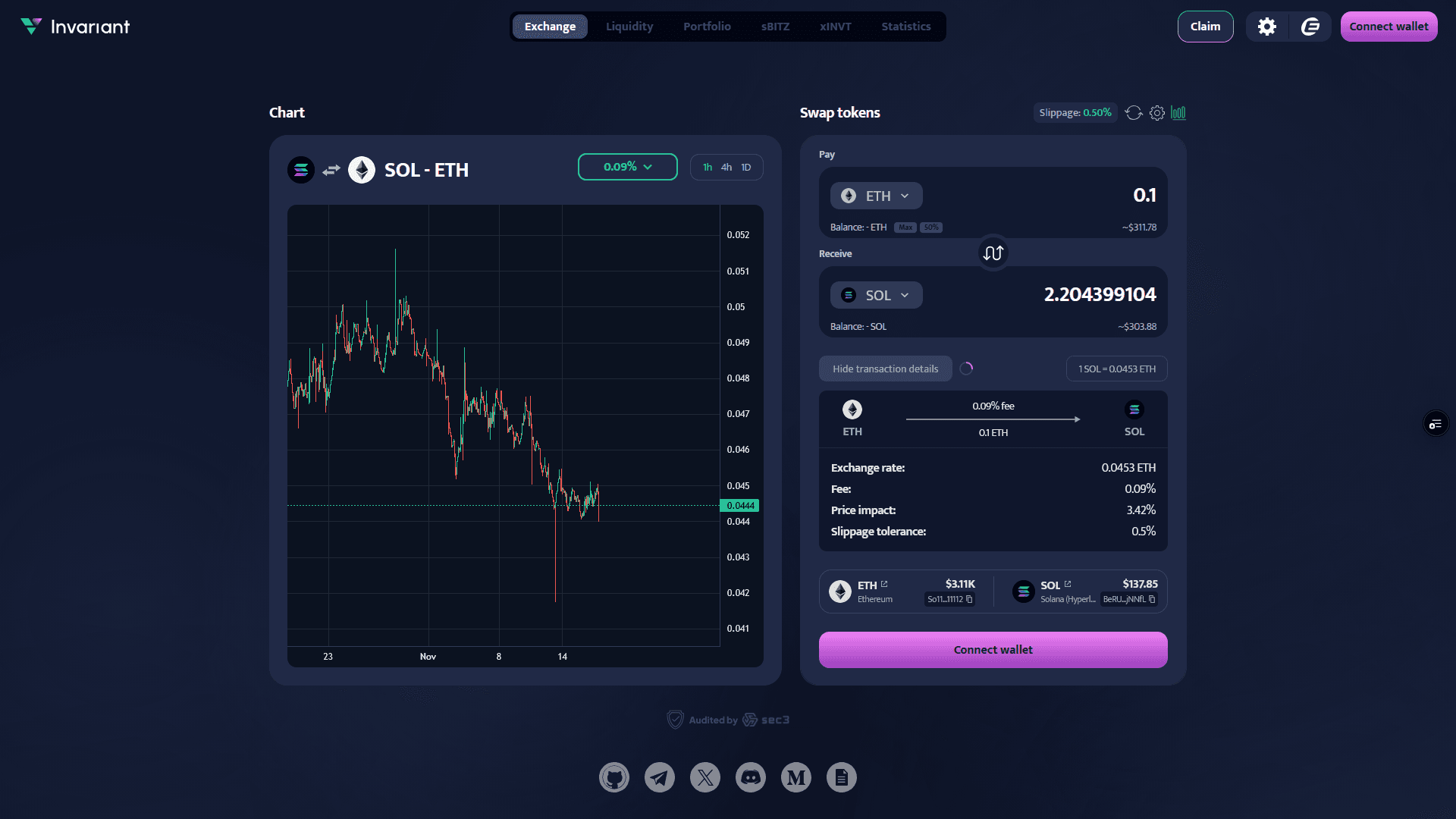
Invariant is the flagship project in our portfolio, built from scratch. This innovative multichain CLMM DEX operates on Solana, Eclipse, Sonic, and most recently Fogo, managing over $5B in total trading volume since launch. On Eclipse, it became the most widely used DeFi protocol, reaching $10M TVL at its peak. On Solana, it has been fully integrated with Jupiter. Invariant introduced several unique features to the DeFi ecosystem, including AutoSwap for automatic ratio adjustment during CLMM position rebalancing, and an unprecedented points program mechanism that rewards users based on factors including liquidity concentration. Additionally, a fully integrated CLOB was implemented. The protocol's smart contracts have demonstrated exceptional security and reliability, operating without any security incidents throughout four years of production deployment.


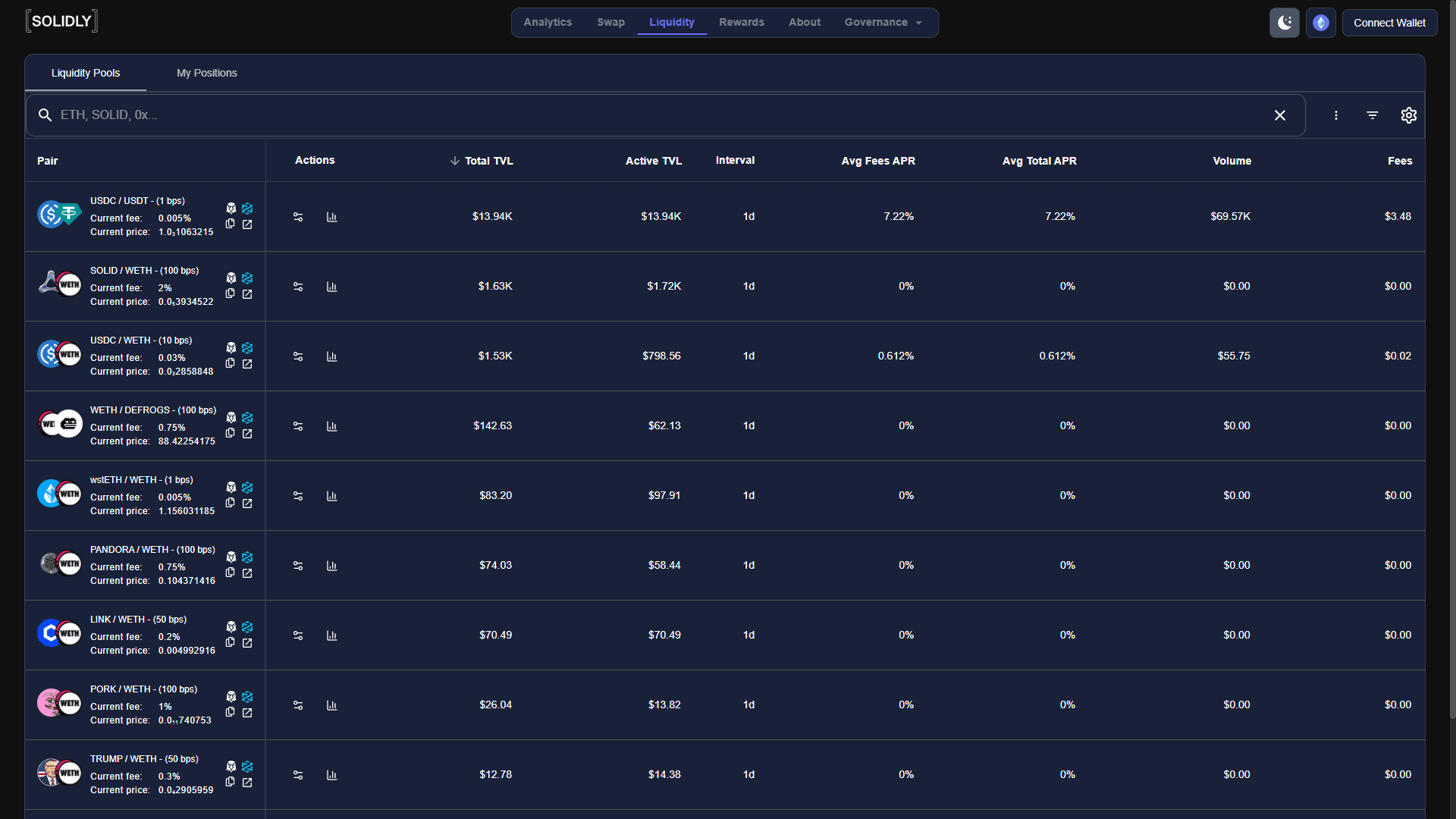
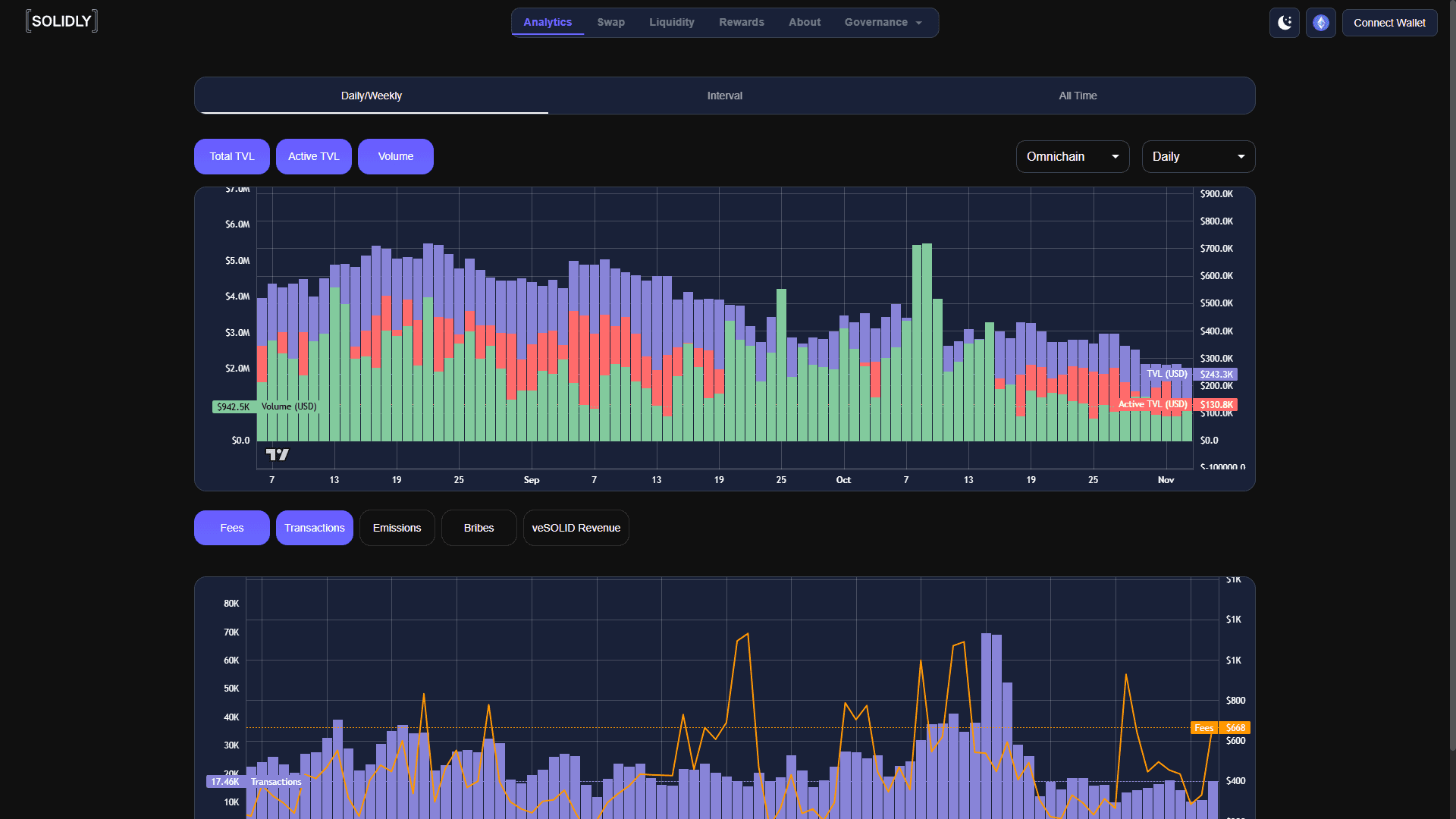
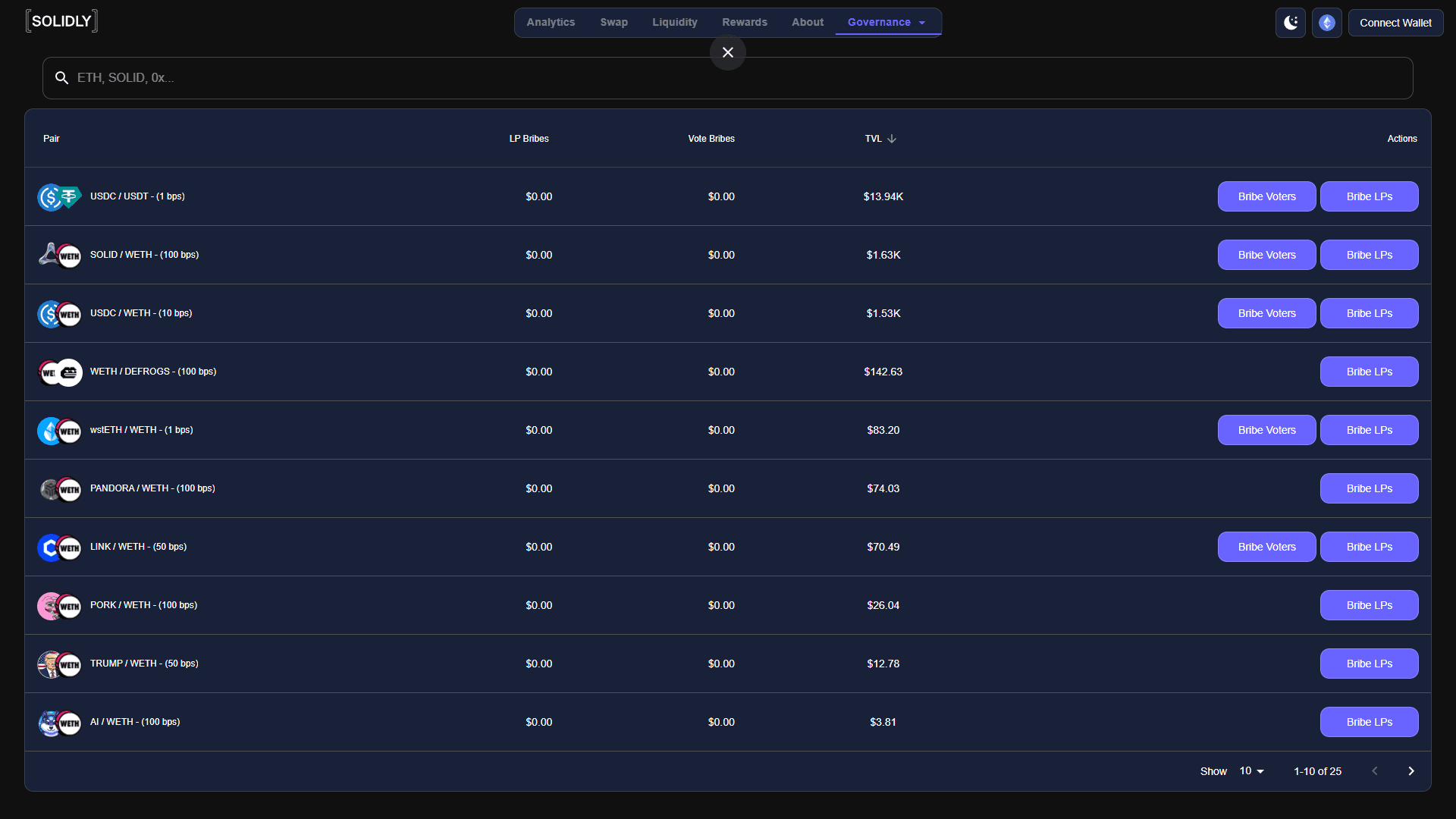
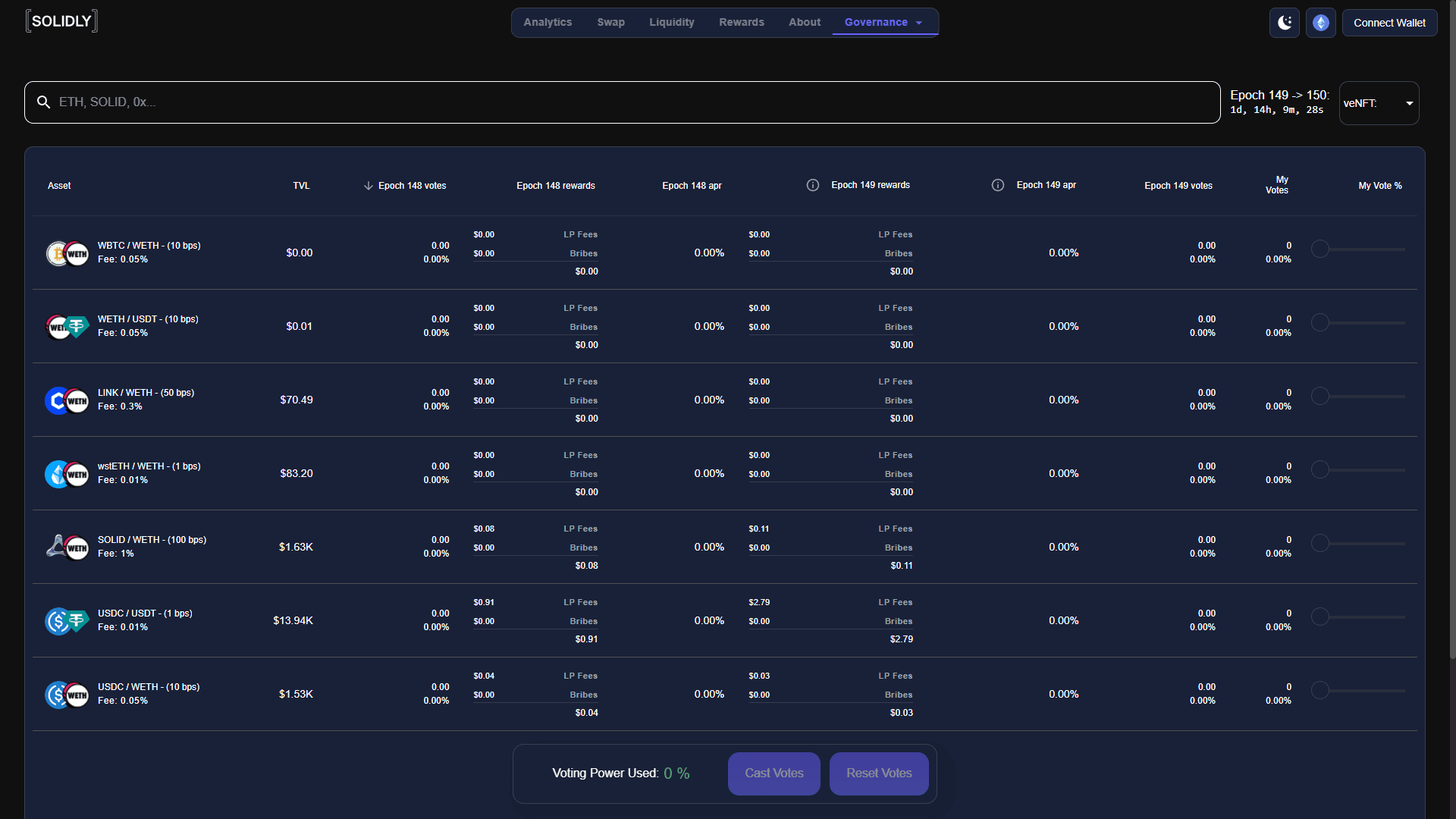
Solidly is a DeFi protocol built as a Liquidity Layer, implementing Ethereum’s Solidly Constant Product AMM model on Solana to bring advanced liquidity mechanics into the SVM environment. Our role was to develop a full launchpad program for memecoins with an integrated AMM, liquidity locker, and a creator-focused fee distribution system. The platform supports both SPL Token and Token2022 standards, enabling flexible token launches across specifications. Using the Token2022 transfer hook extension, Solidly allows on-chain validation or state changes during transfers without extra transactions. Liquidity locking employs time-locked escrow for LP tokens, ensuring secure and controlled liquidity management, while the fee routing mechanism allocates protocol fees directly to creators. The entire program underwent an external security audit to verify safety and performance.


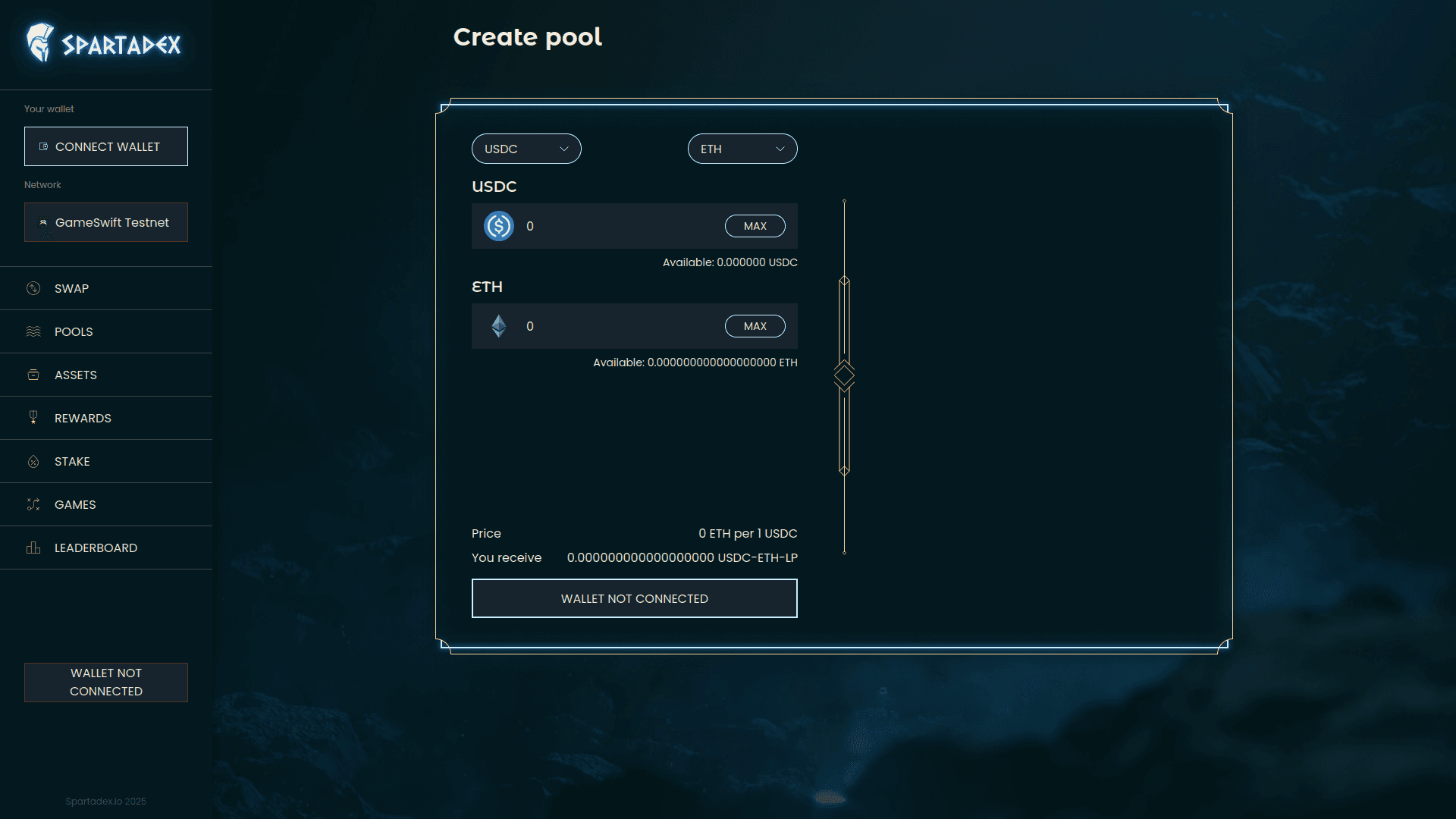
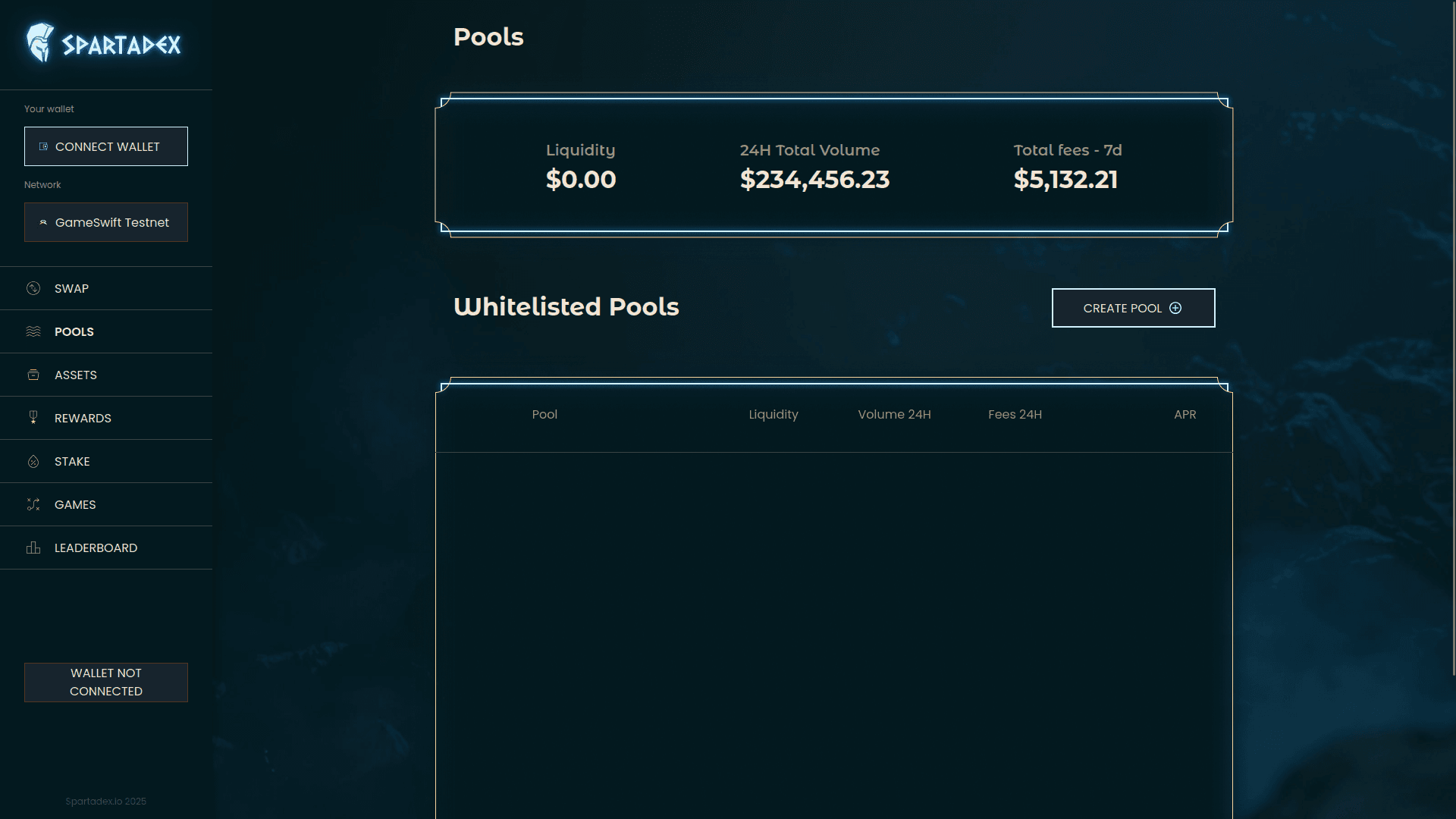
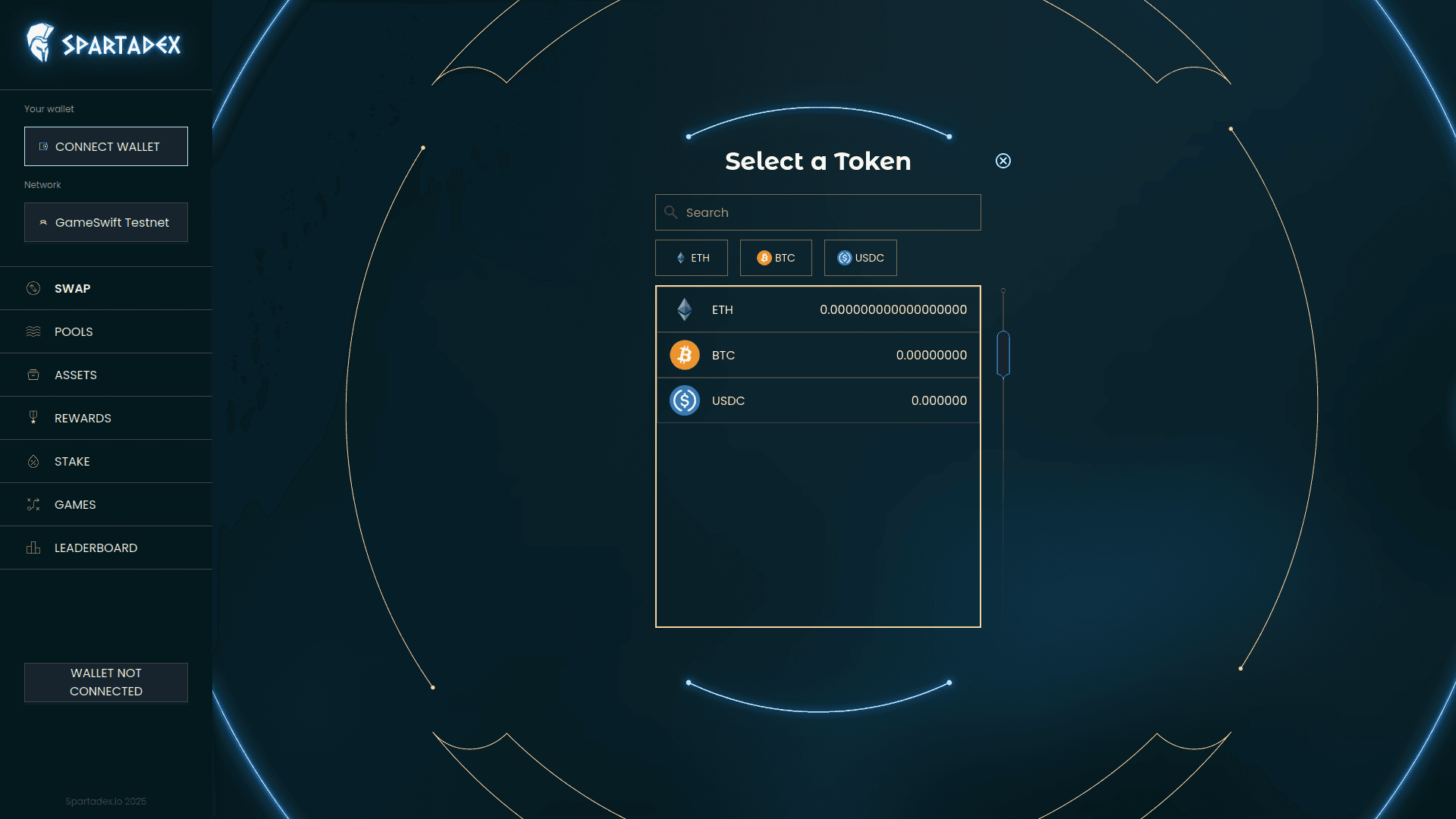
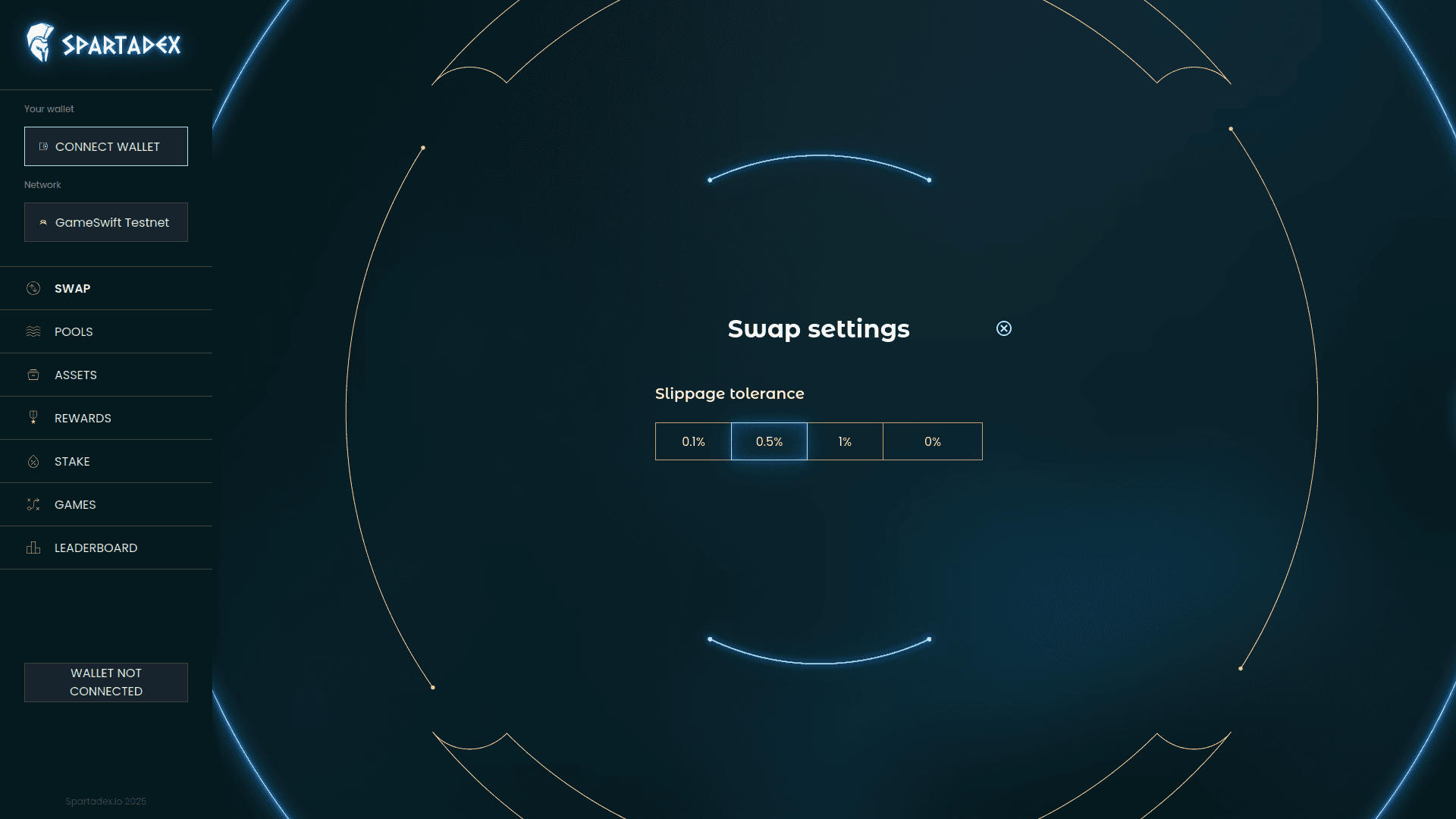
SpartaDEX is an on-chain strategic game where players build and expand their own settlements, attracting tens of thousands of active participants at its peak. In preparation for deployment on the GameSwift blockchain, we developed a custom AMM protocol inspired by Uniswap V2, along with a dedicated frontend interface. This AMM enables seamless trading of the SPARTA token, the game’s native in-game currency, ensuring smooth economic interactions within the ecosystem. Our implementation enhanced the game’s on-chain economy by integrating decentralized trading mechanics directly into gameplay, creating a unified experience between DeFi functionality and strategic gaming.


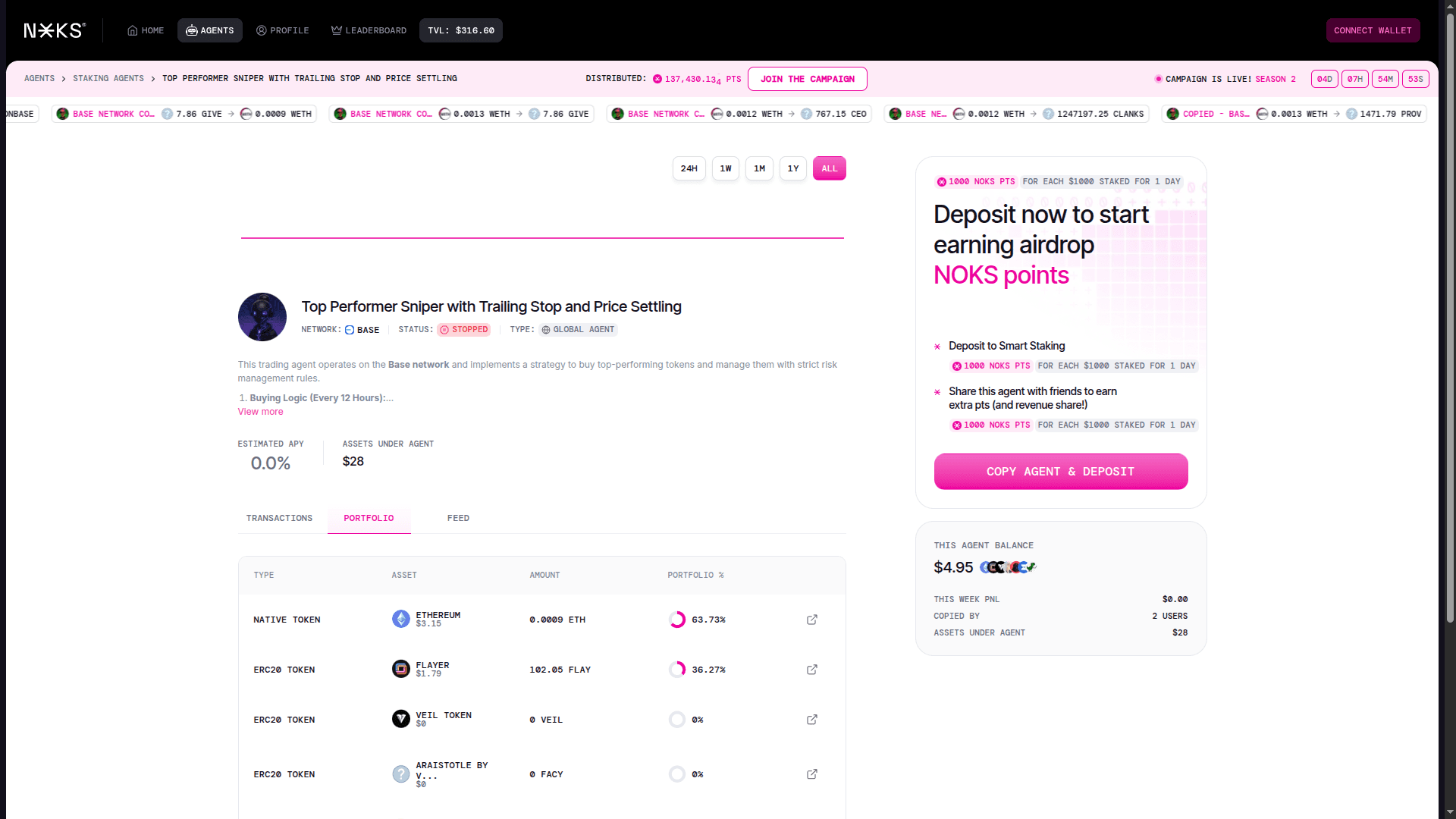
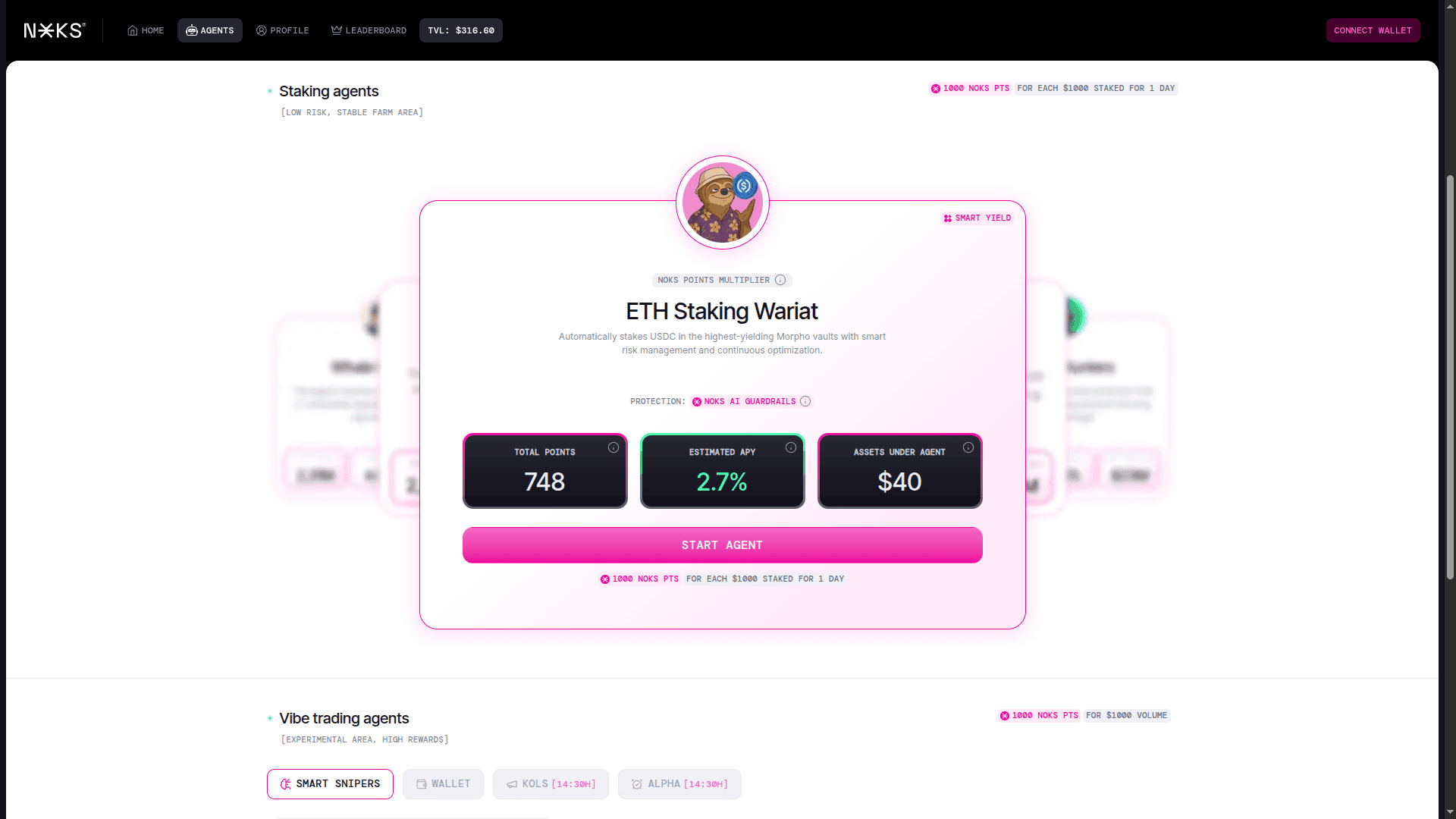
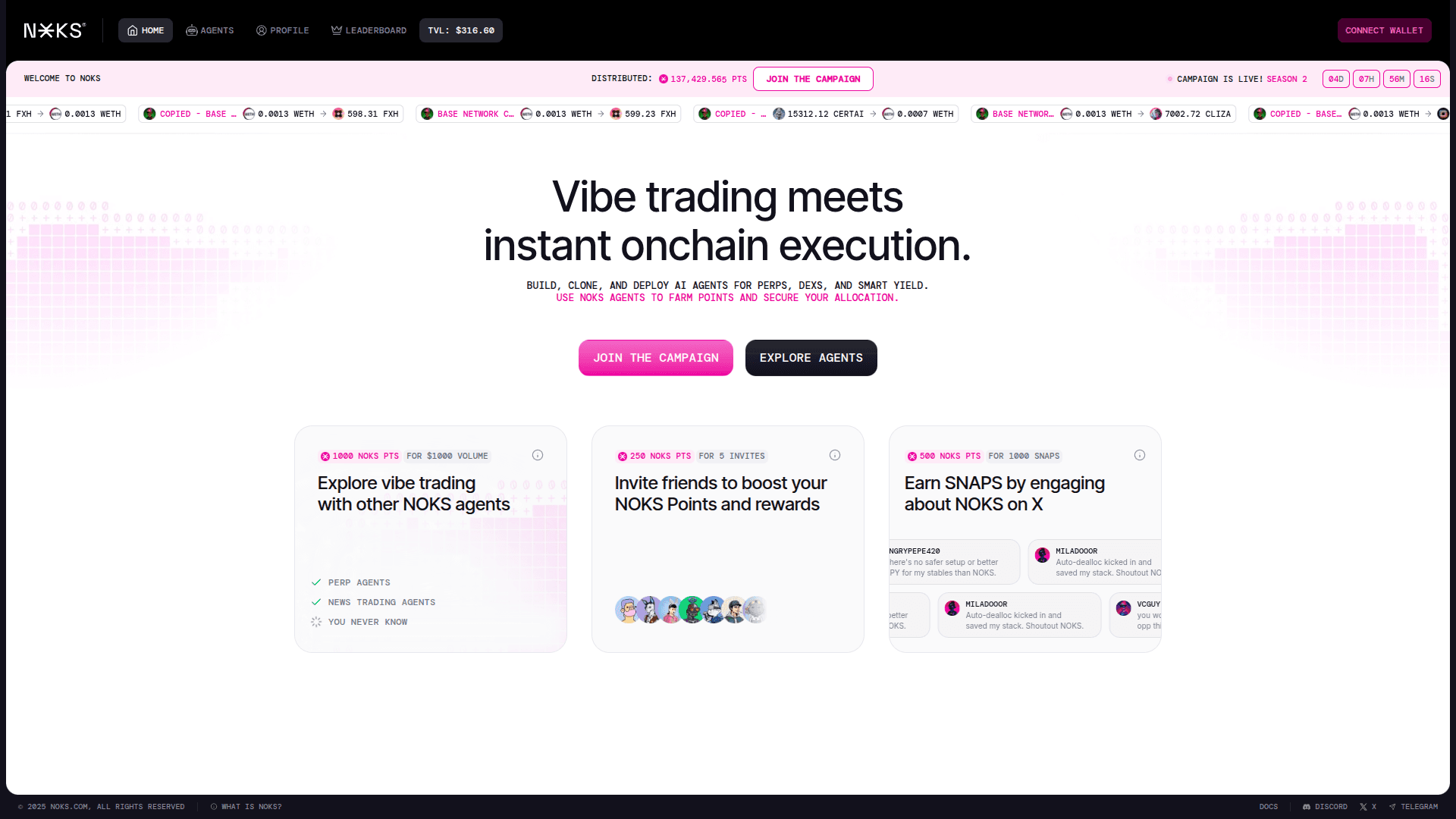
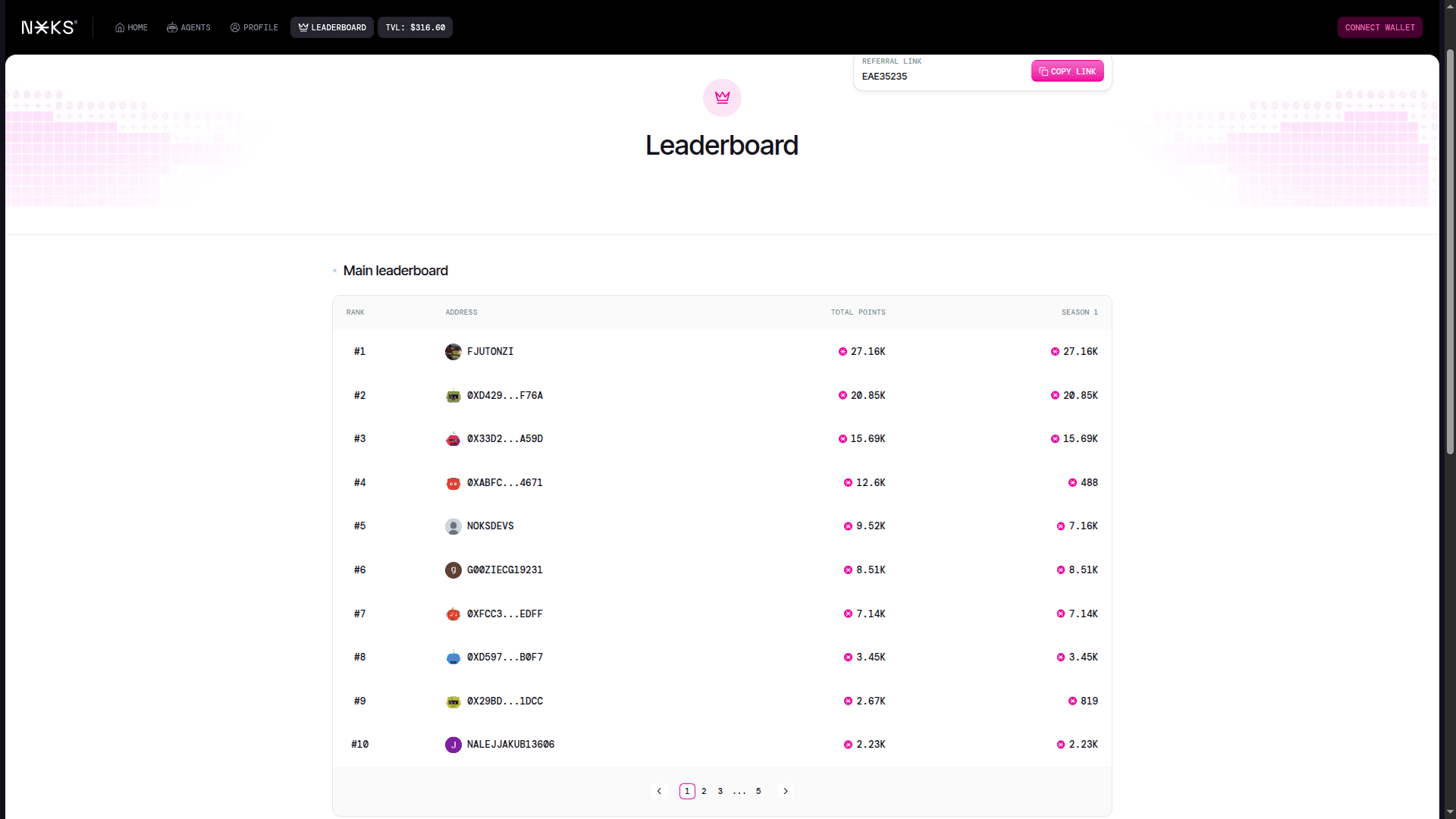
Noks is a major innovator in the EVM market. It can be described as an aggregator of aggregators, as it integrates with other leading aggregators such as 1inch and KyberSwap to identify the optimal trading route among them. Beyond finding the best swap paths, it also searches for the most profitable yield opportunities using AI. We built the protocol from scratch, utilizing account abstraction. Additionally, the aggregator executes transactions through its own smart contracts, which is particularly valuable when trading memecoins, as fees are always collected in more stable tokens like ETH.


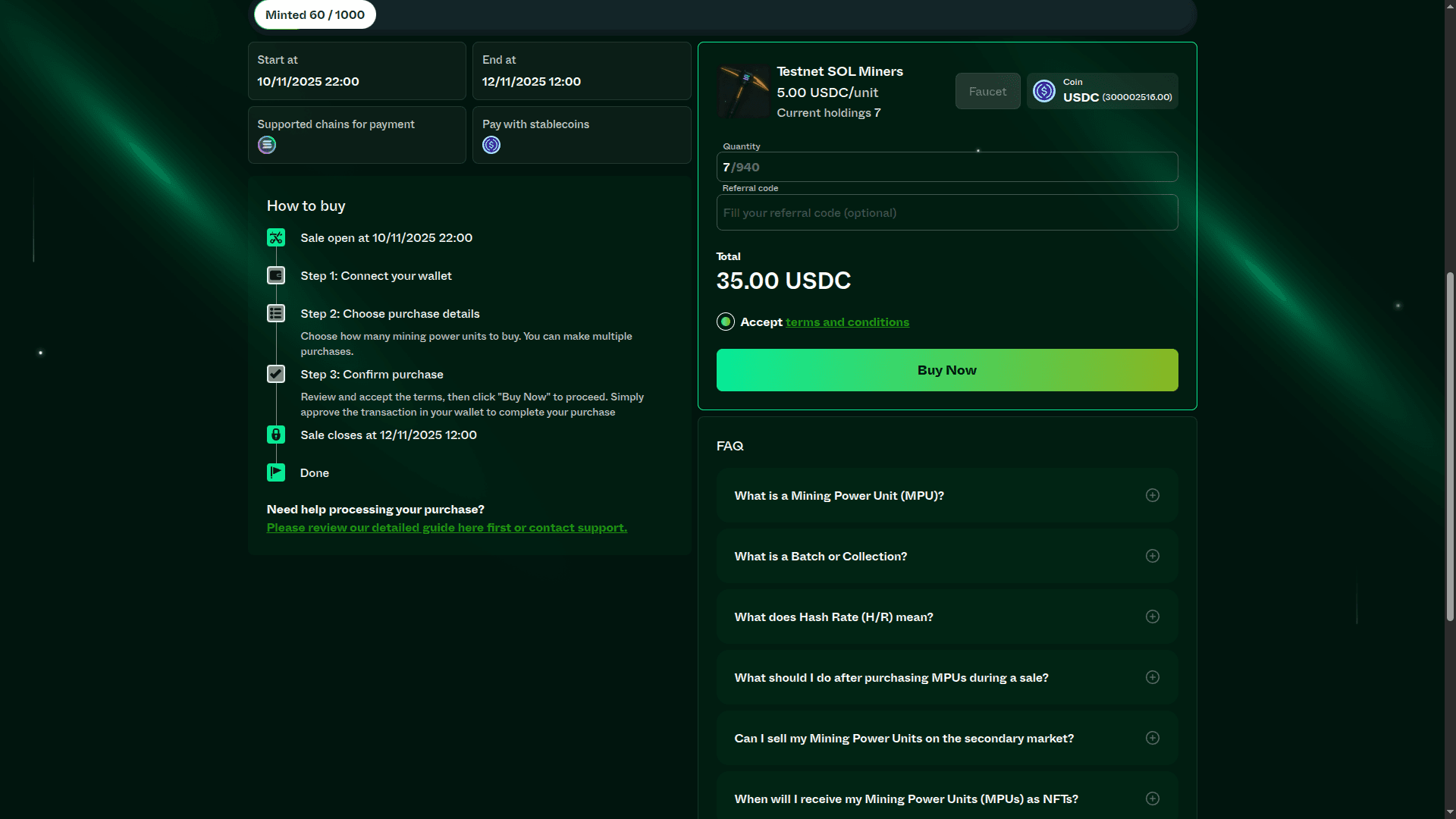
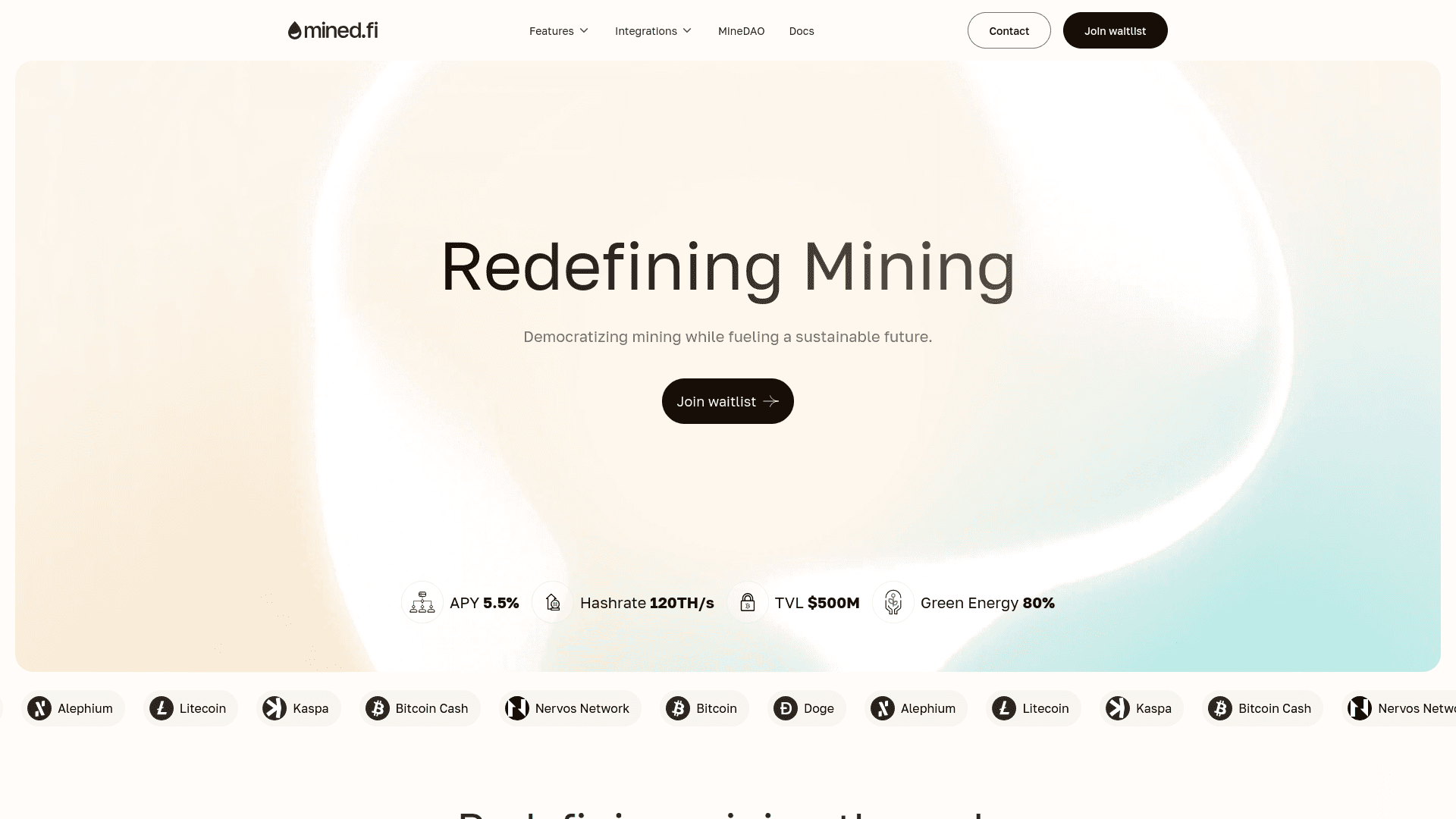
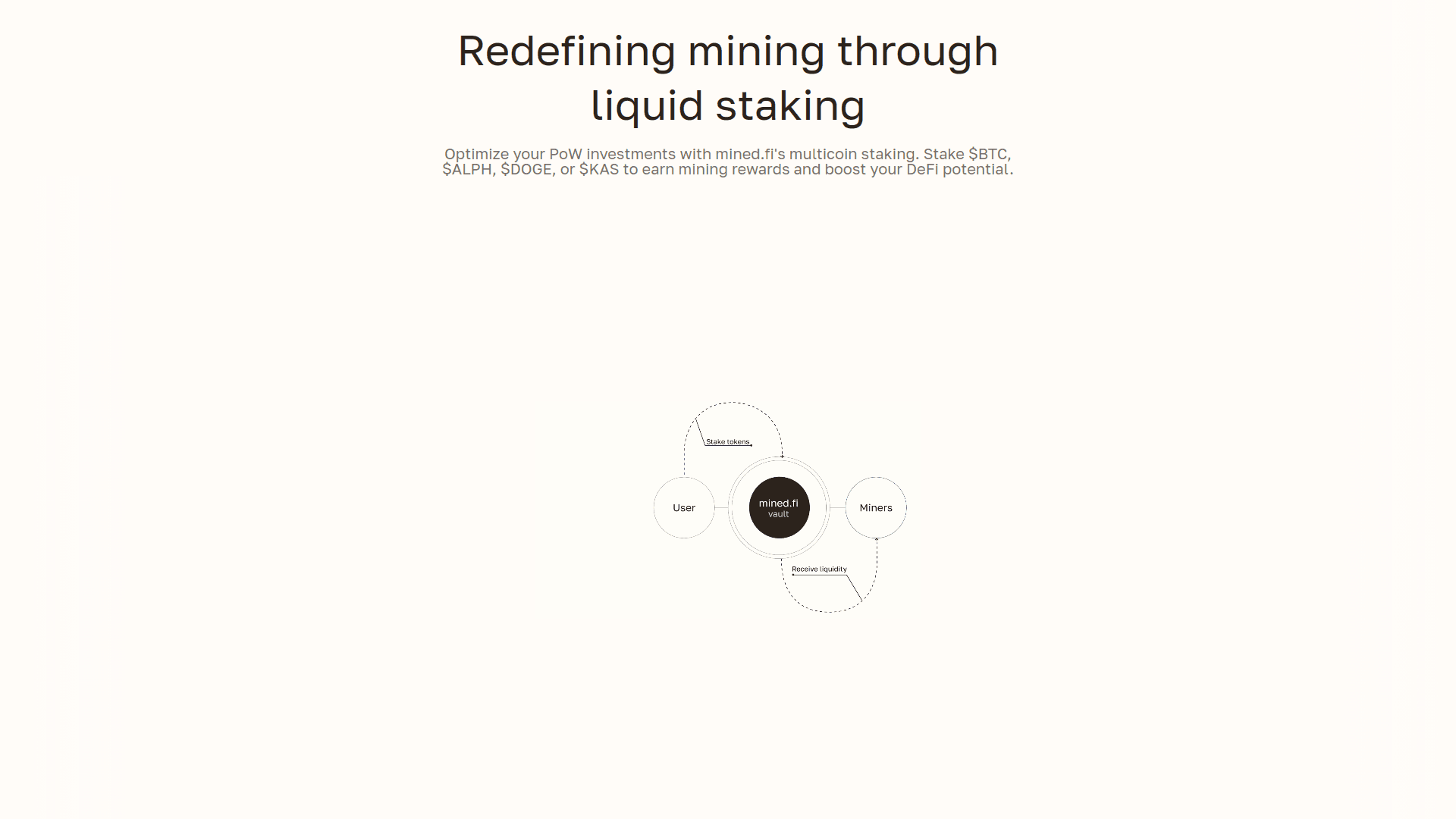
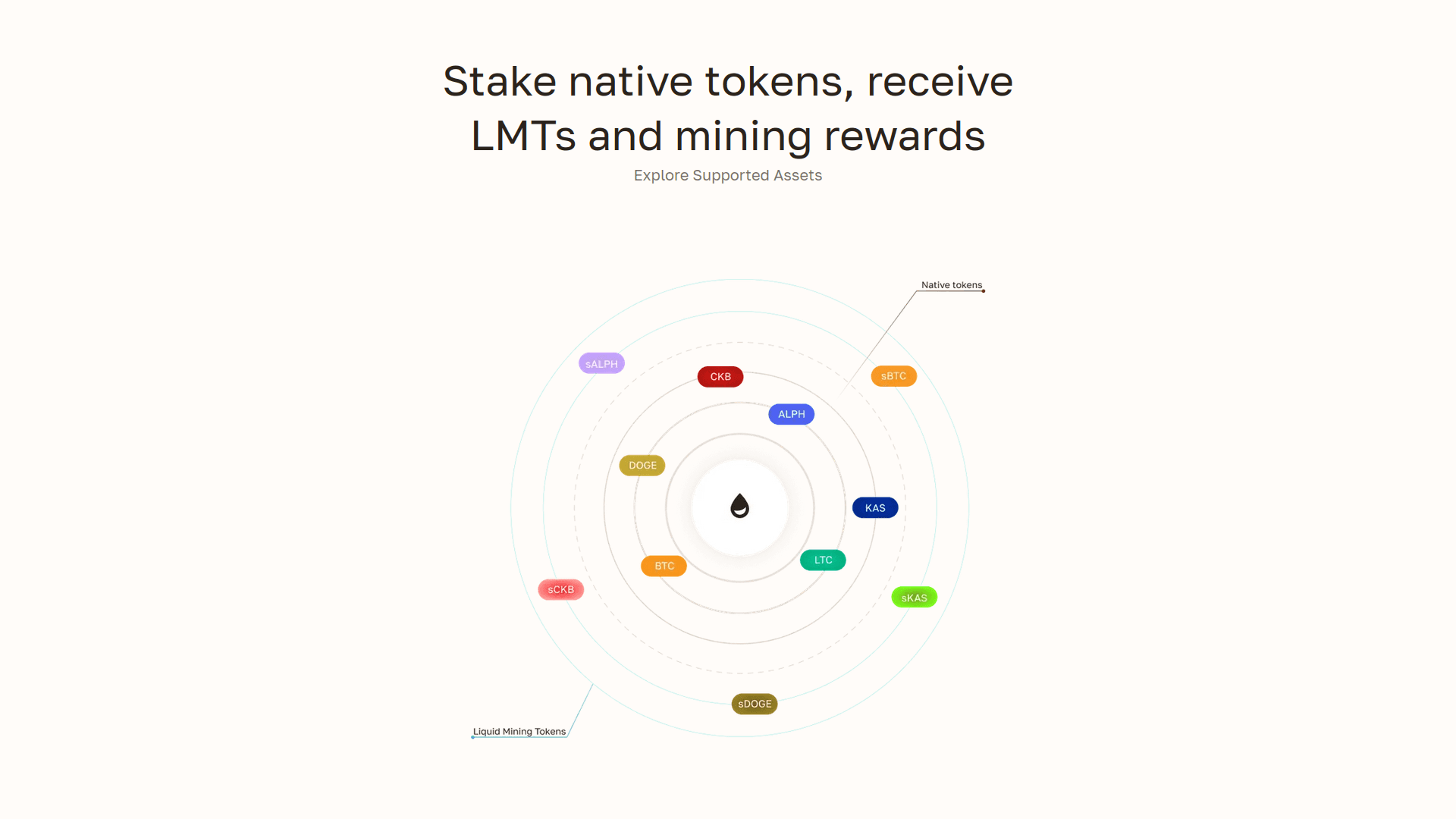
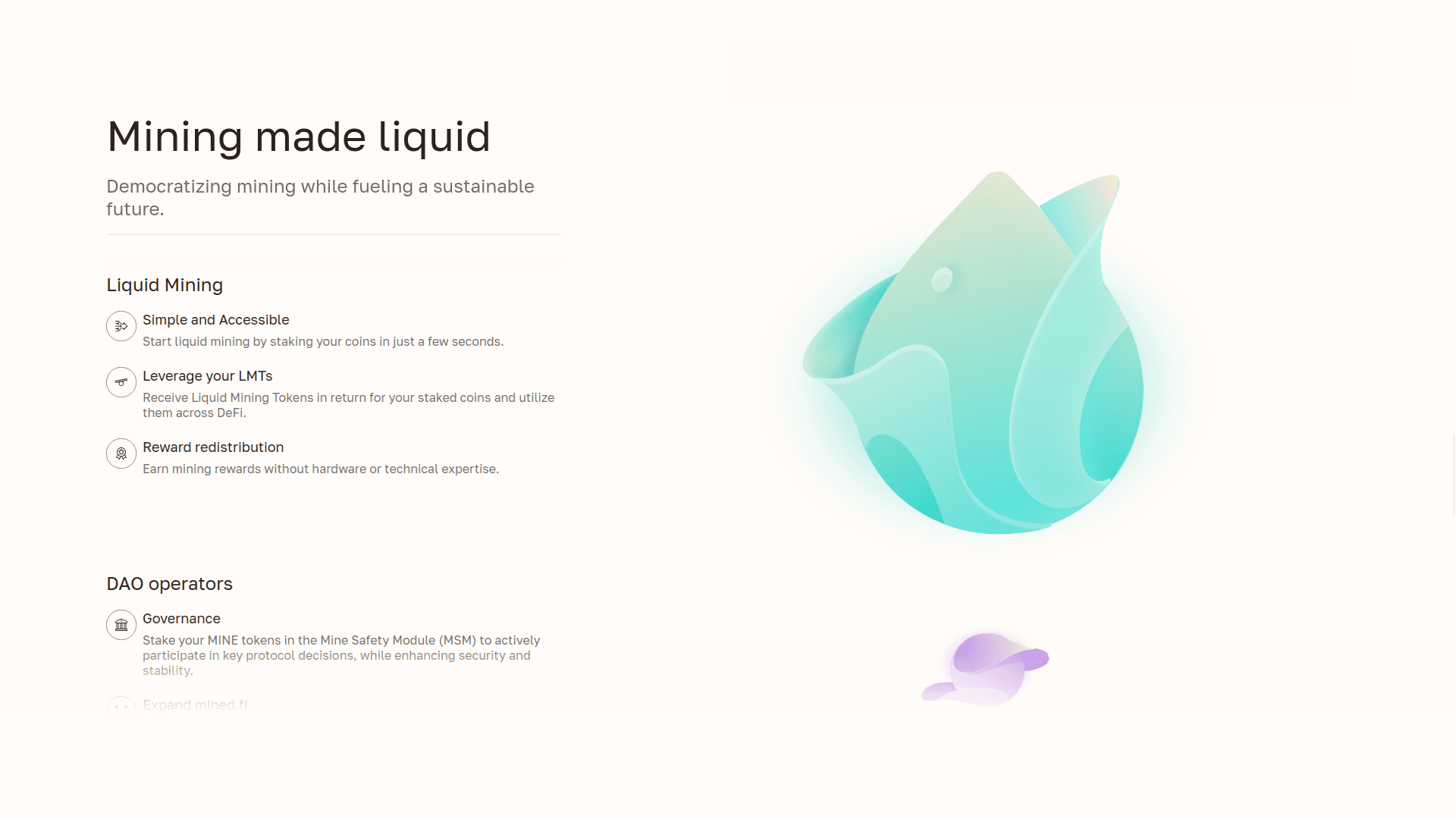
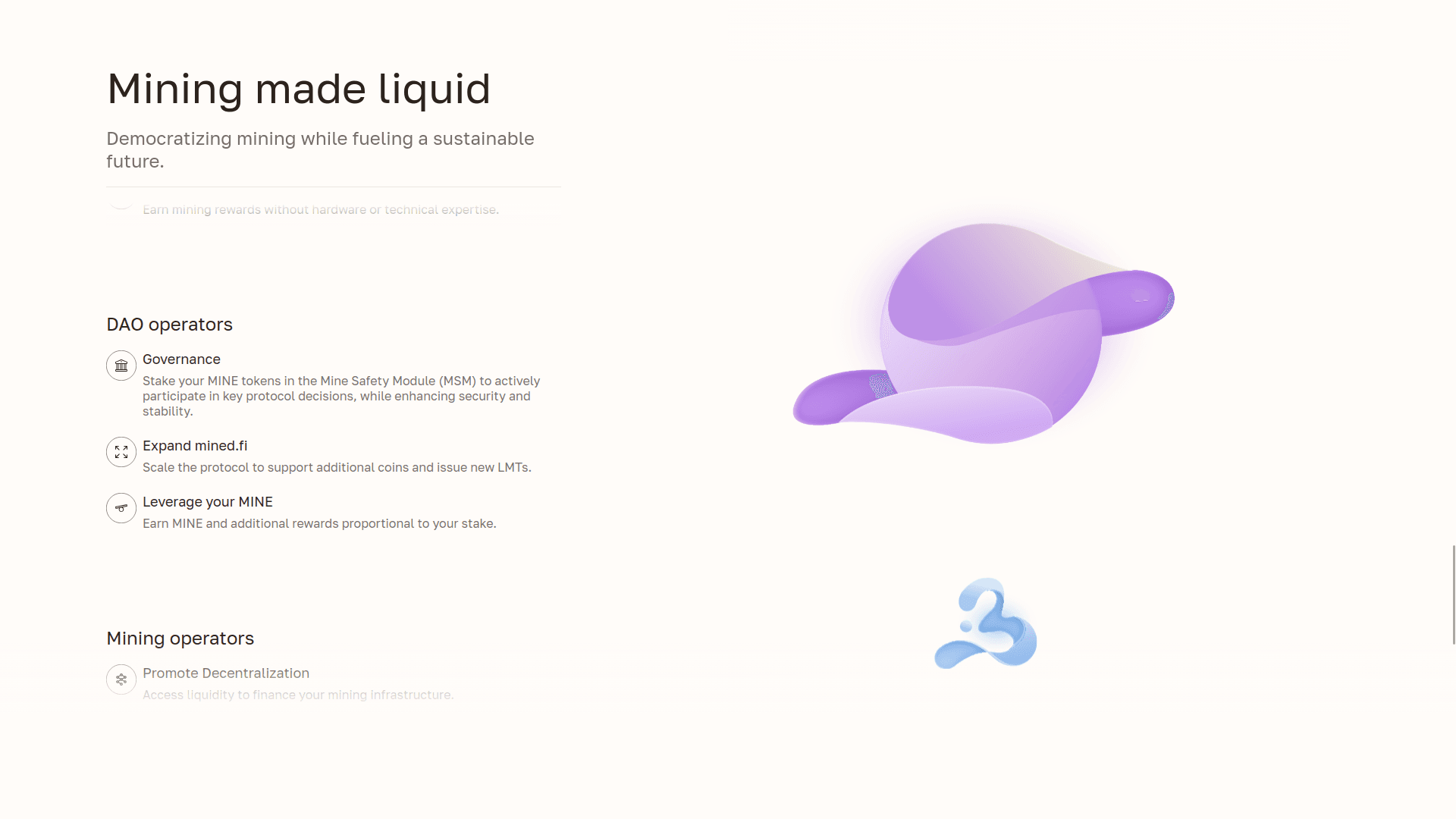
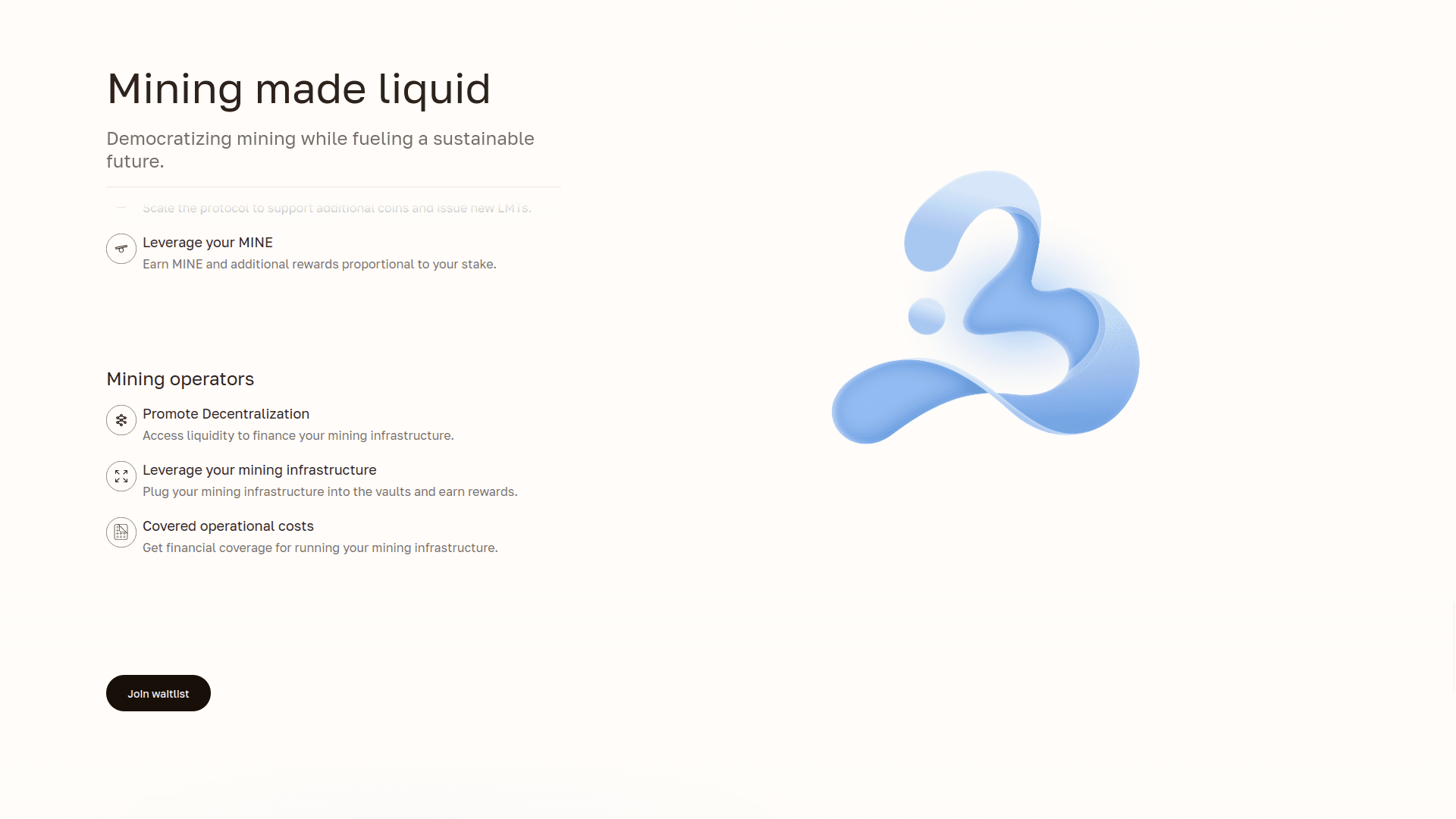
MinedFi is a decentralized protocol that enables users to earn mining-backed rewards by purchasing Liquid Mining Tokens stored in vaults supported by a distributed physical infrastructure network. The concept introduces a new form of liquid staking adapted to PoW mining, allowing users to gain exposure to mining rewards without directly operating hardware. Our team developed the project’s landing page and smart contracts on the Alephium blockchain, ensuring security, efficiency, and a seamless user experience. We also played a key role in defining the protocol’s core logic by helping our client transform an initial business idea into a fully functional and reliable solution.


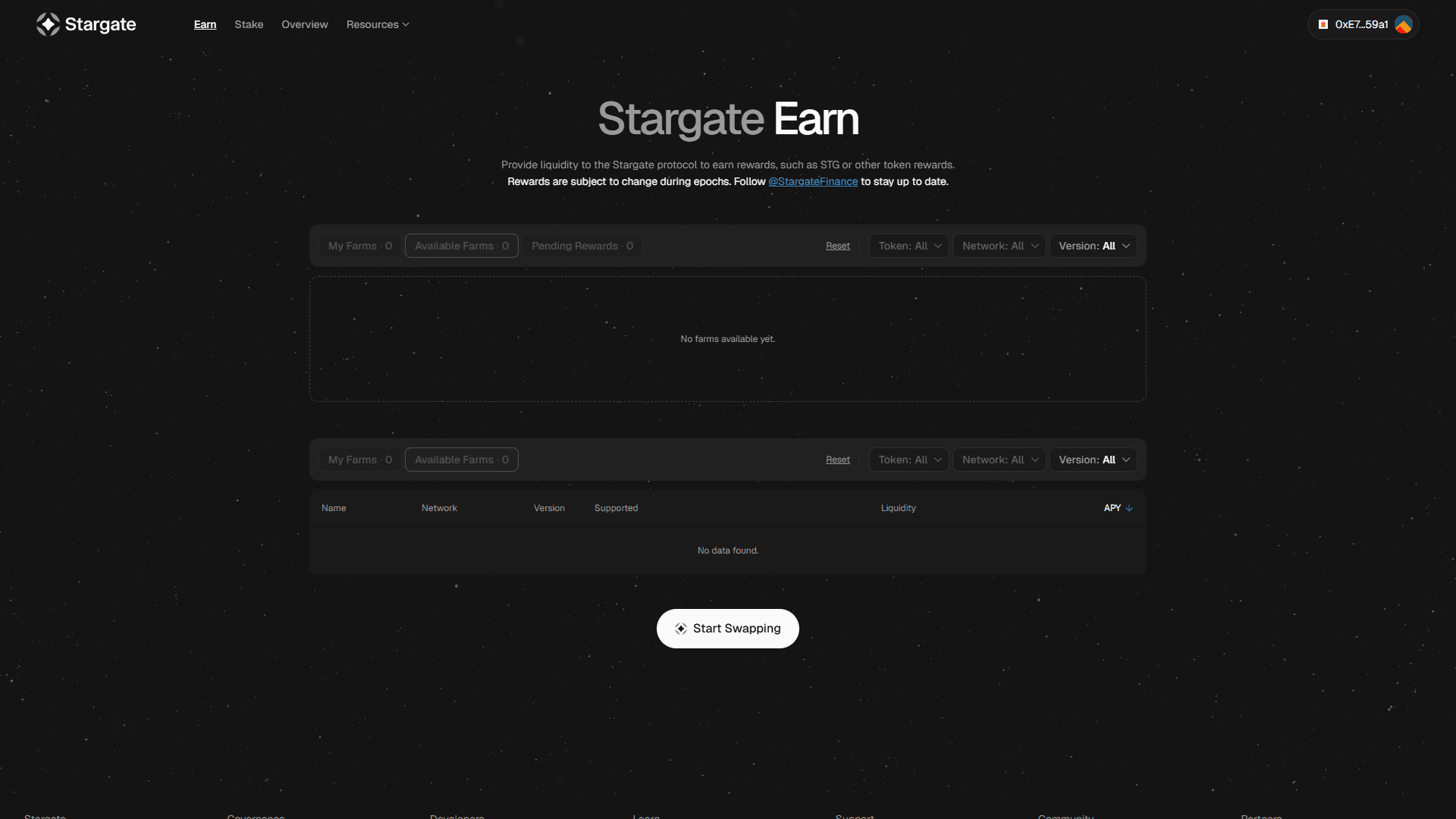
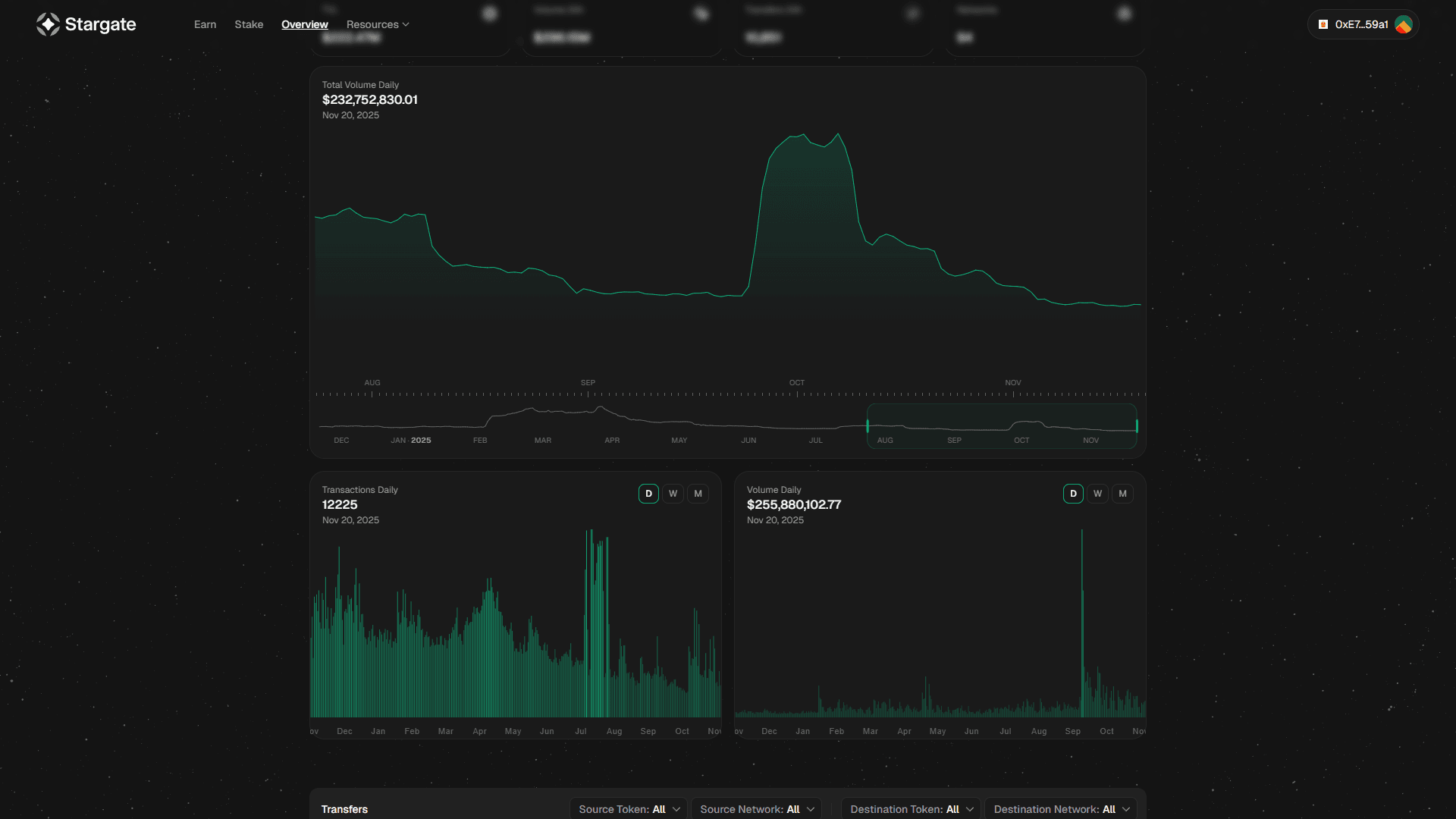
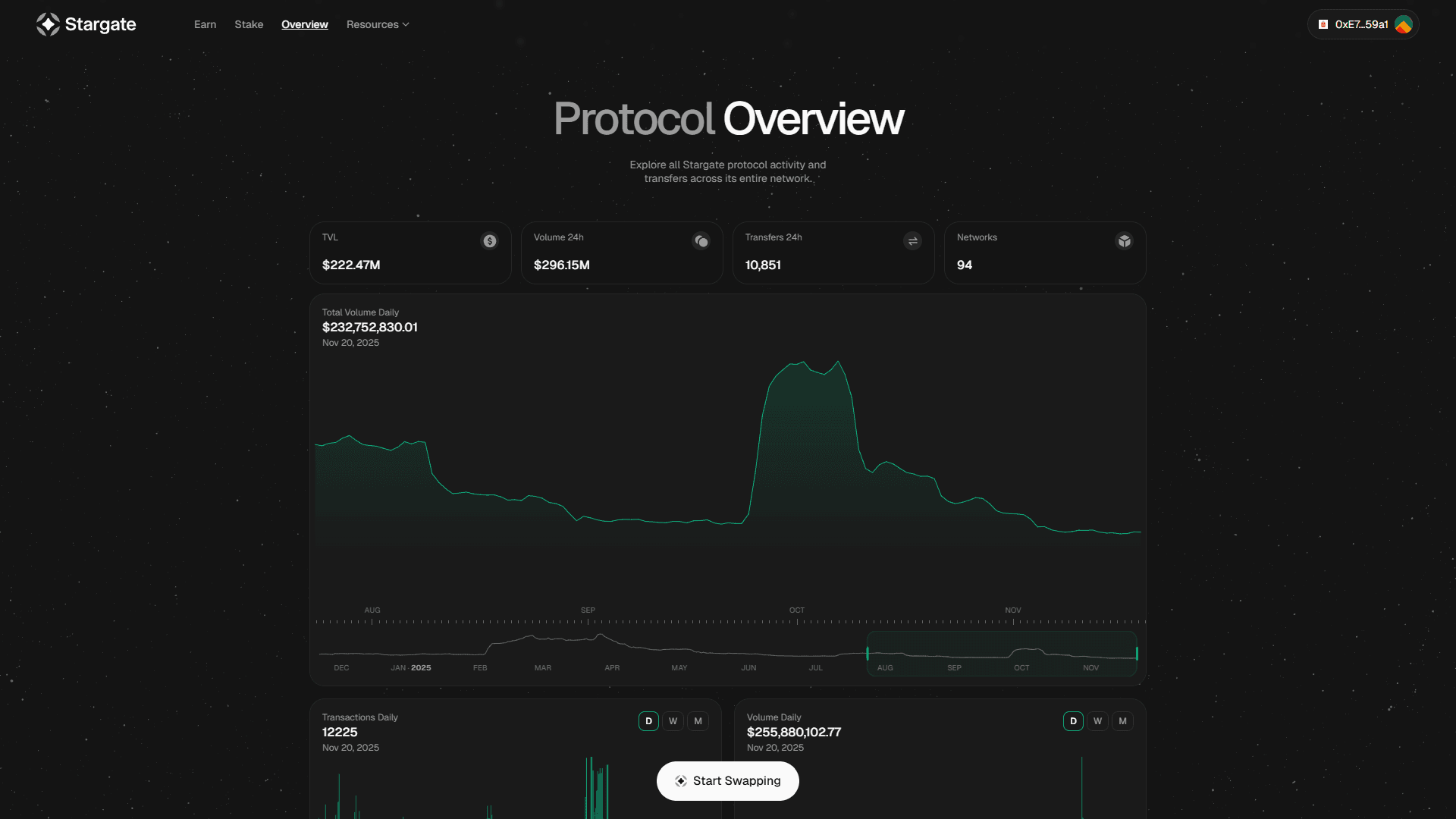
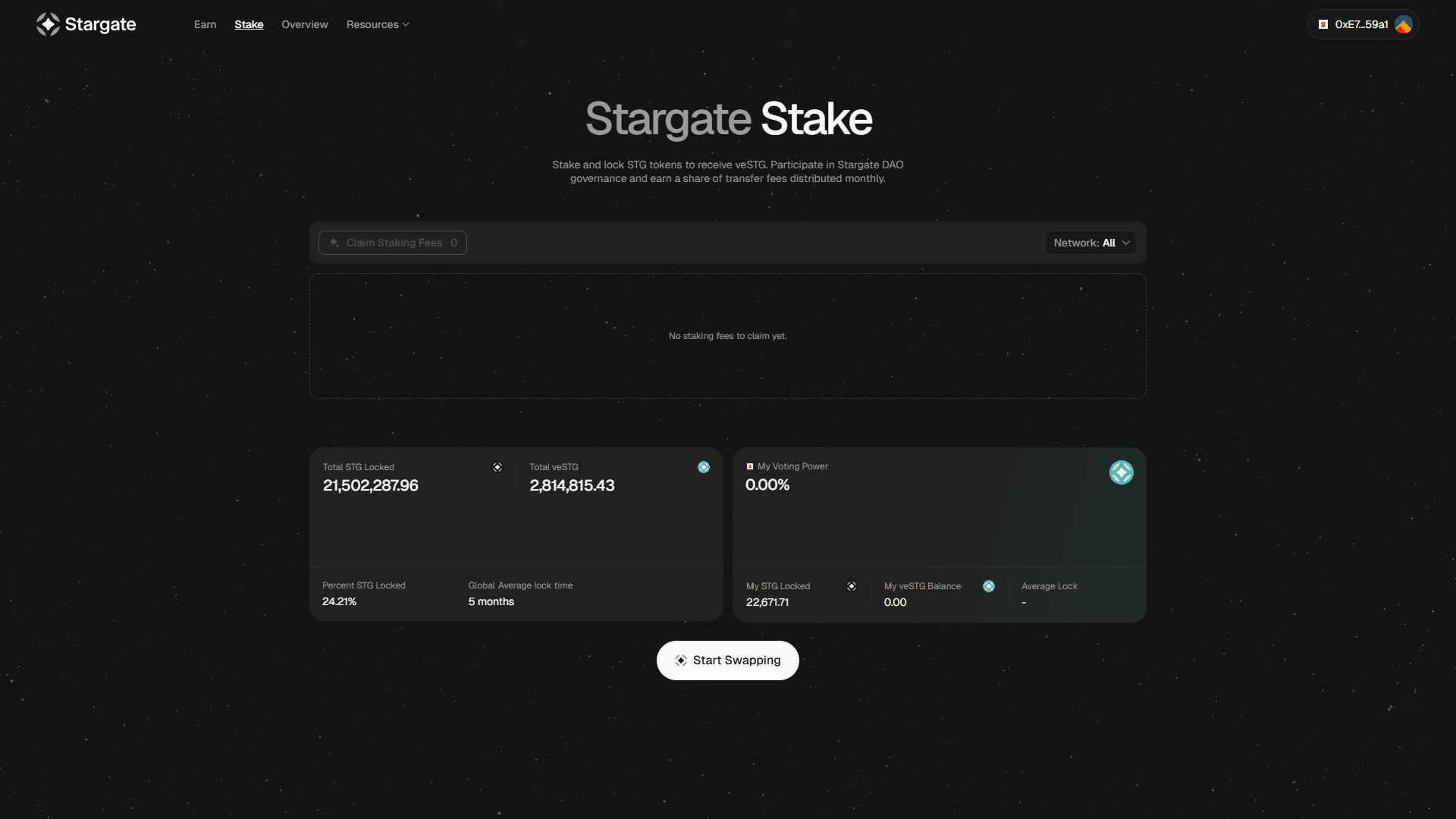
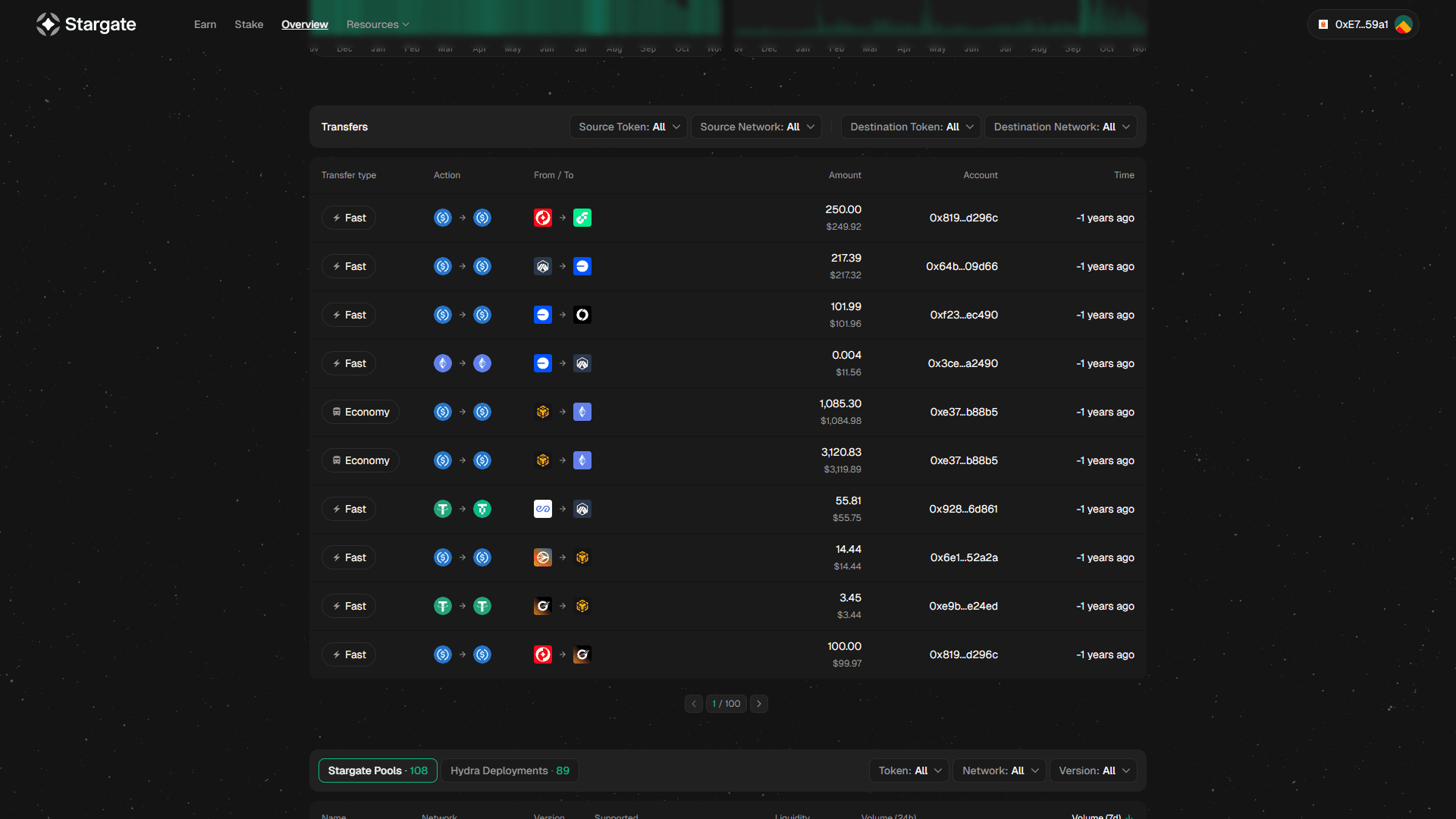
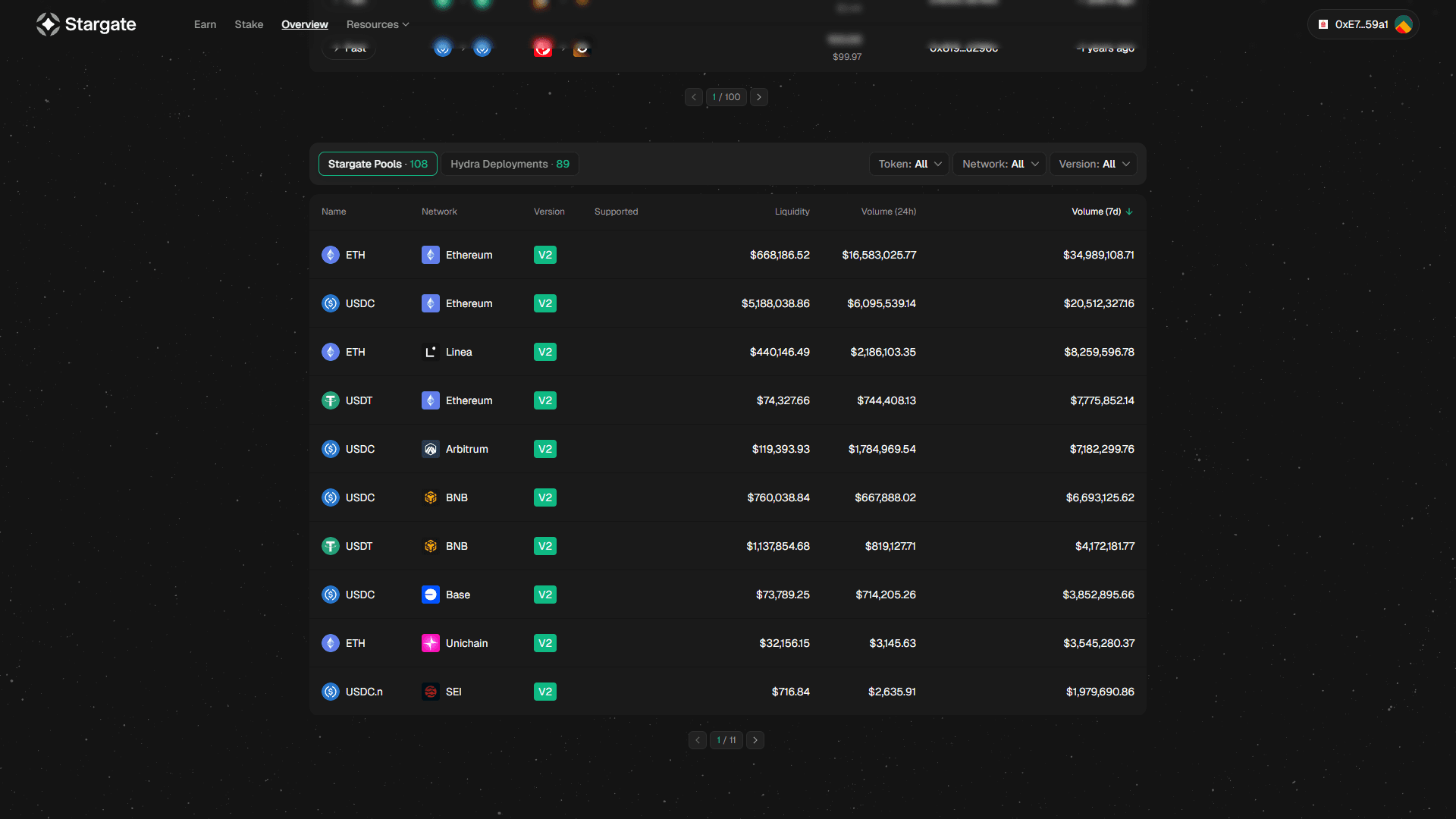
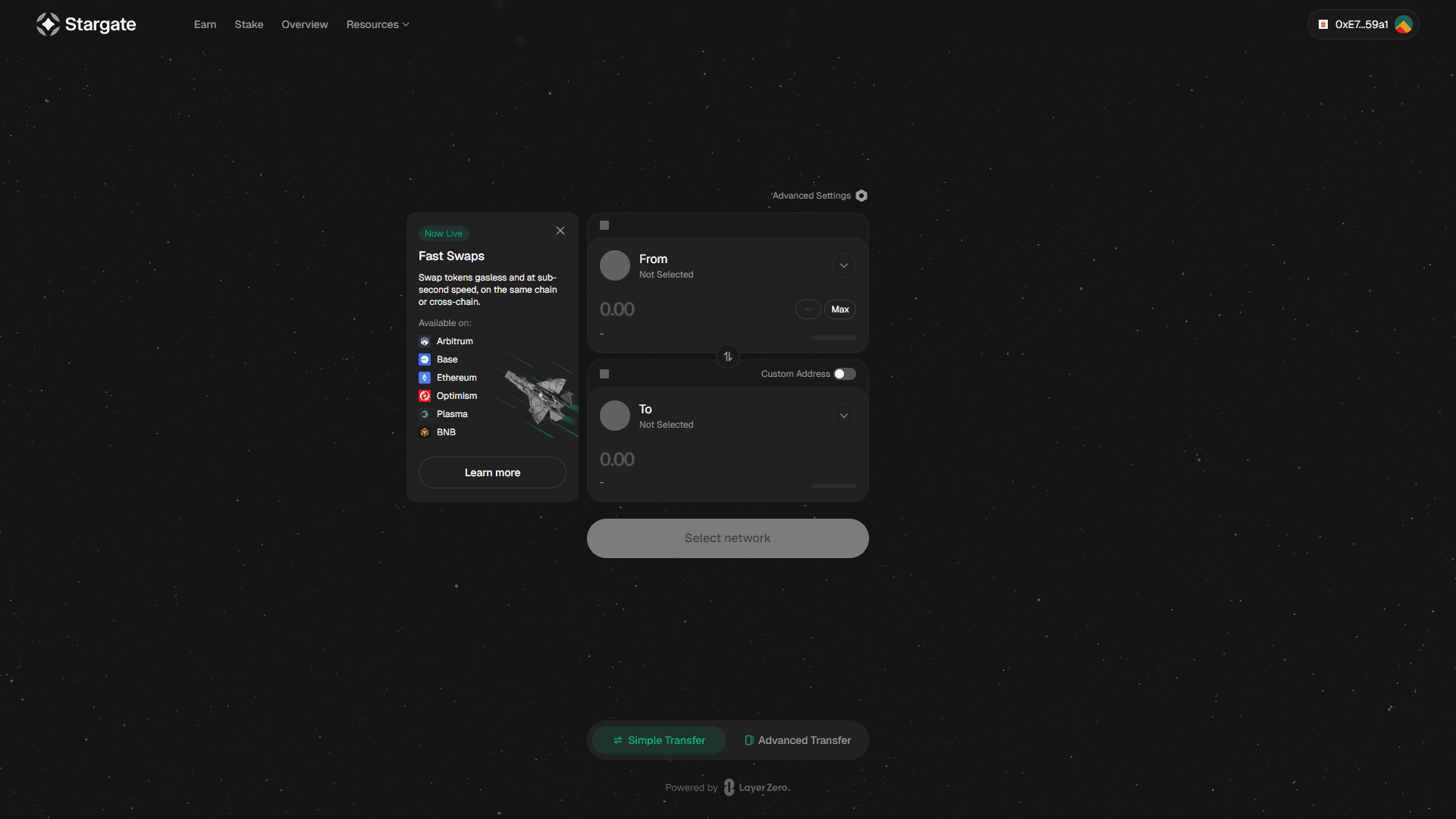
Stargate is a well-known cross-chain bridge protocol with over $65B in total value transferred to date. During our collaboration, we built a bridge that for the first time enabled asset transfers between EVM and SVM networks. This implementation allows Stargate users to seamlessly bridge their assets from chains such as Ethereum, Base, or Arbitrum directly to Solana, creating a new standard in cross-chain interoperability.


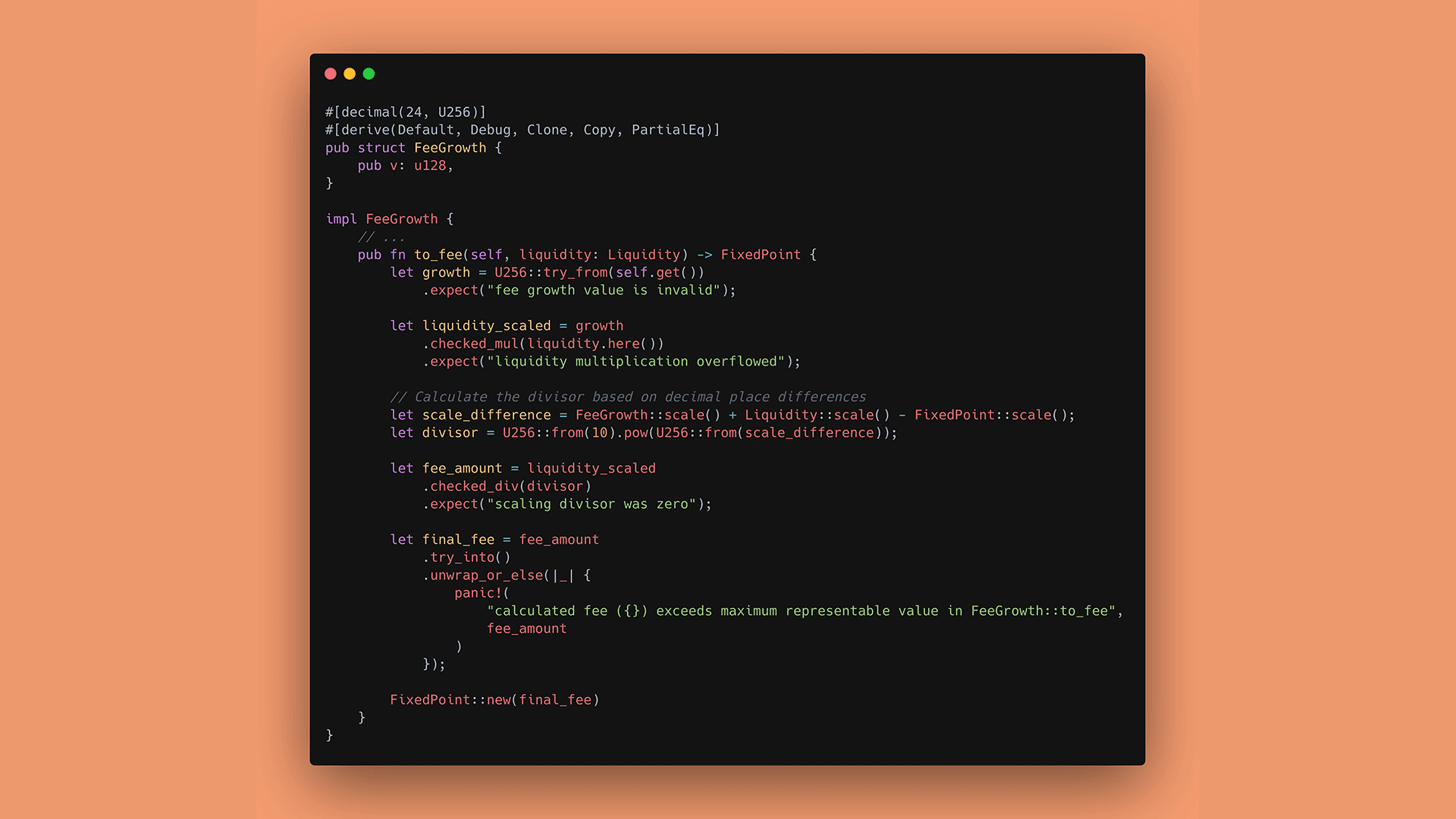
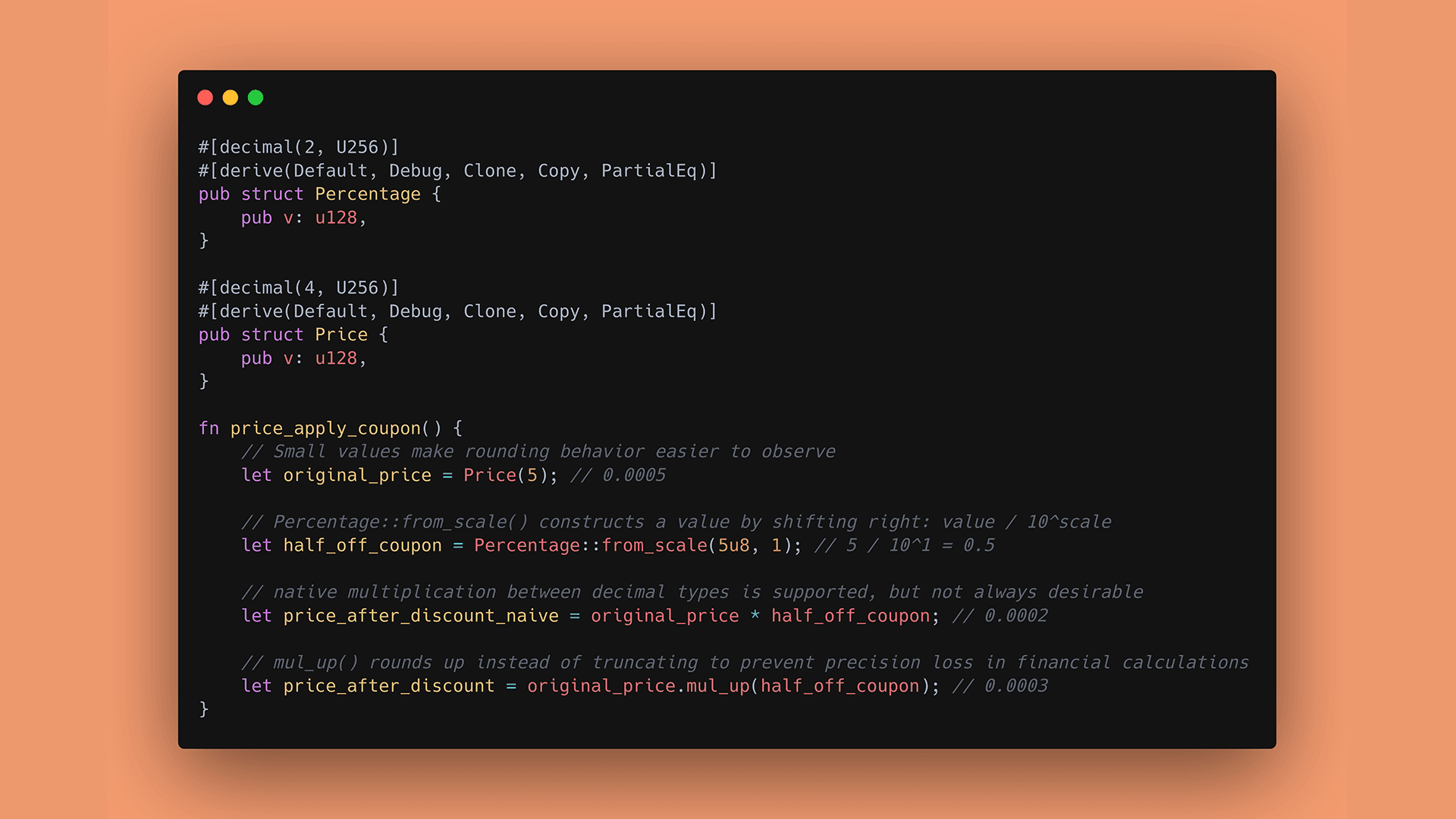
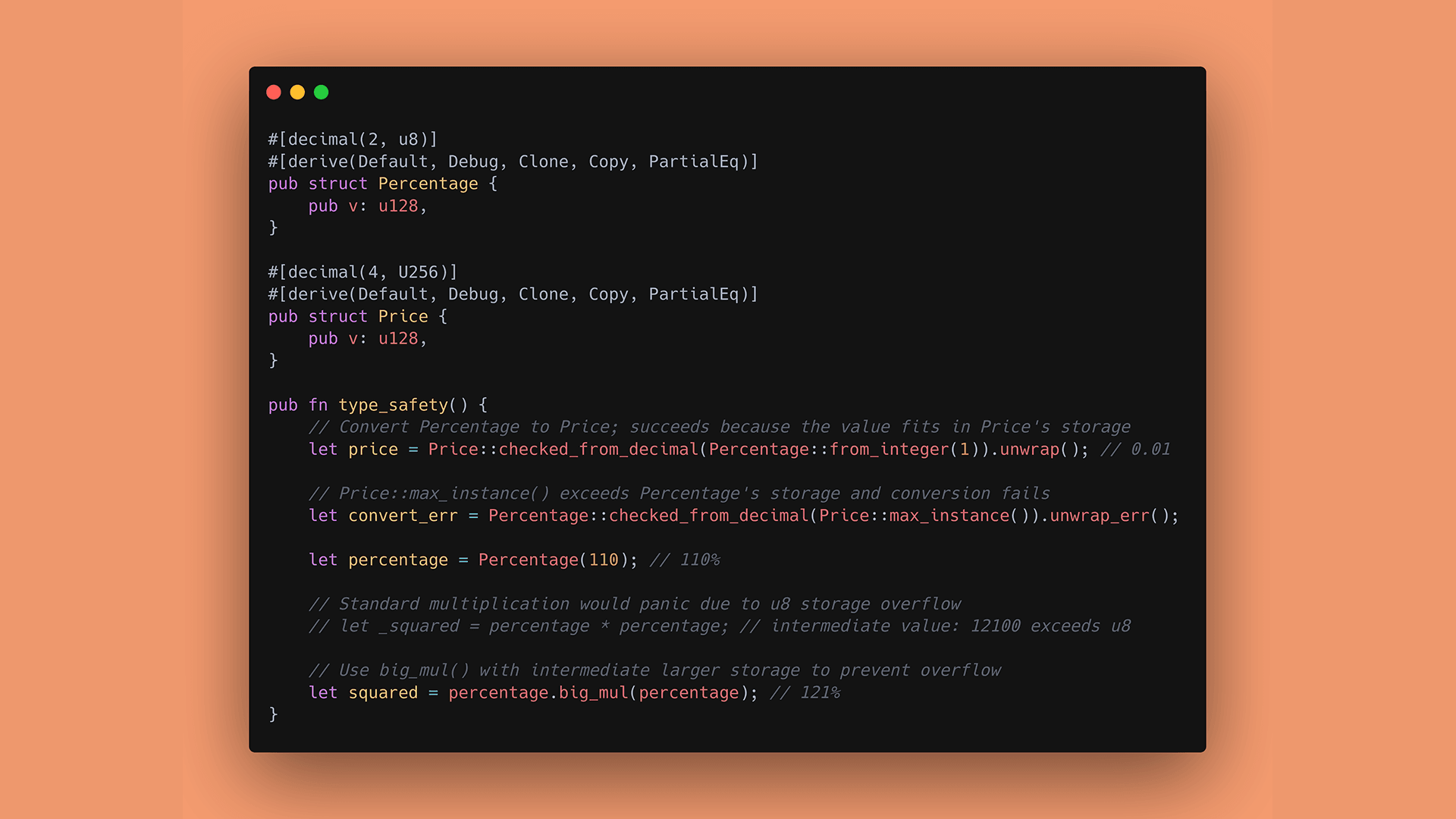
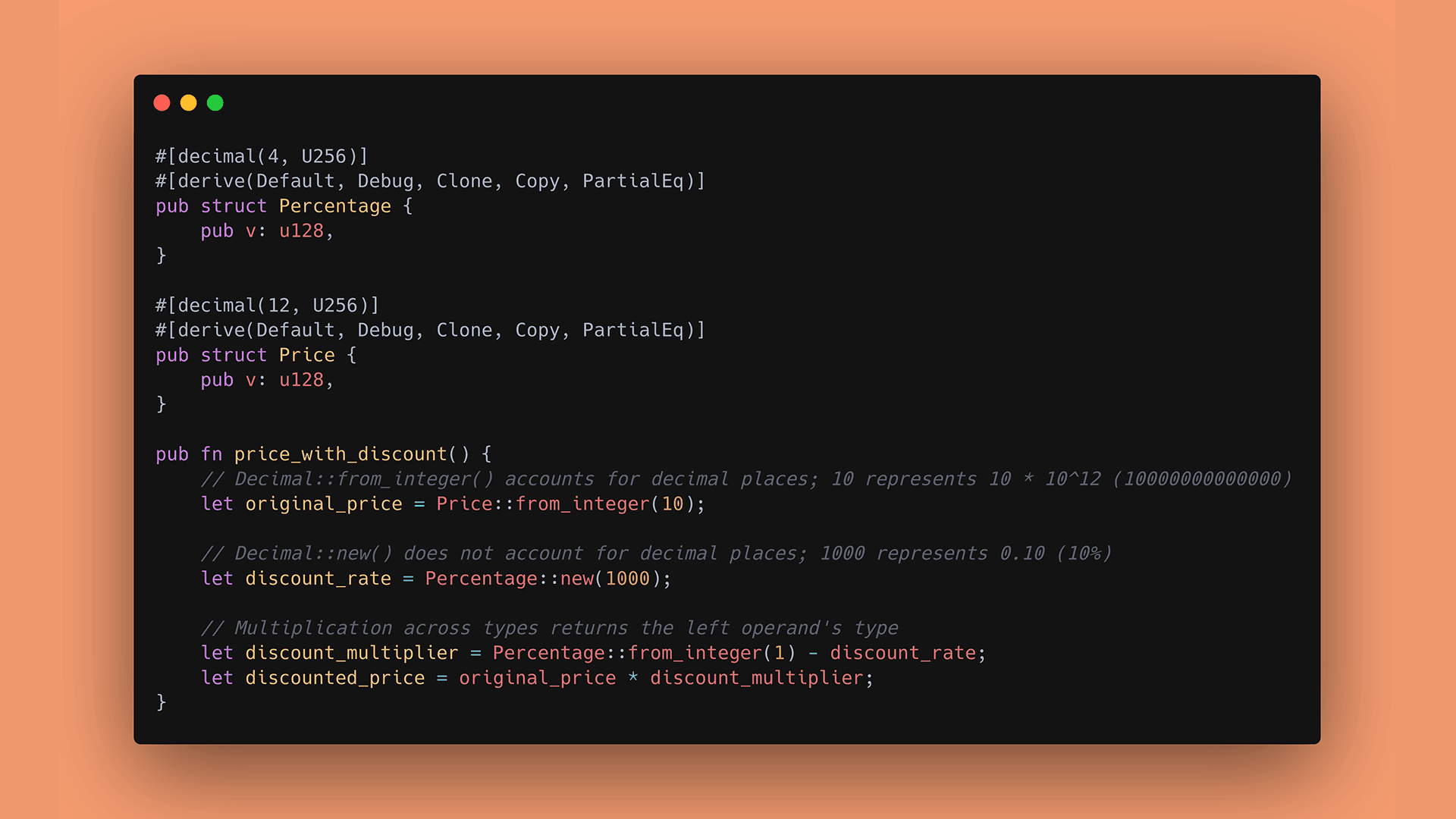
Decimal library addresses fixed-point arithmetic requirements in blockchain environments where floating-point operations are unreliable for financial calculations. The Rust macro-based implementation eliminates manual checked math boilerplate by generating trait implementations for structs with configurable decimal precision (0-38 decimal places). The scale preservation mechanism automatically handles multiplication and division adjustment. Big type system prevents temporary overflow scenarios where intermediate calculation values exceed type bounds despite final result fitting within type constraints. Configurable rounding behavior provides both floor and ceiling rounding methods for each operation. Cross-type arithmetic operations enable calculations between decimals of different precisions through generic trait implementations. The library underwent a security audit as a component of Invariant protocol implementation.


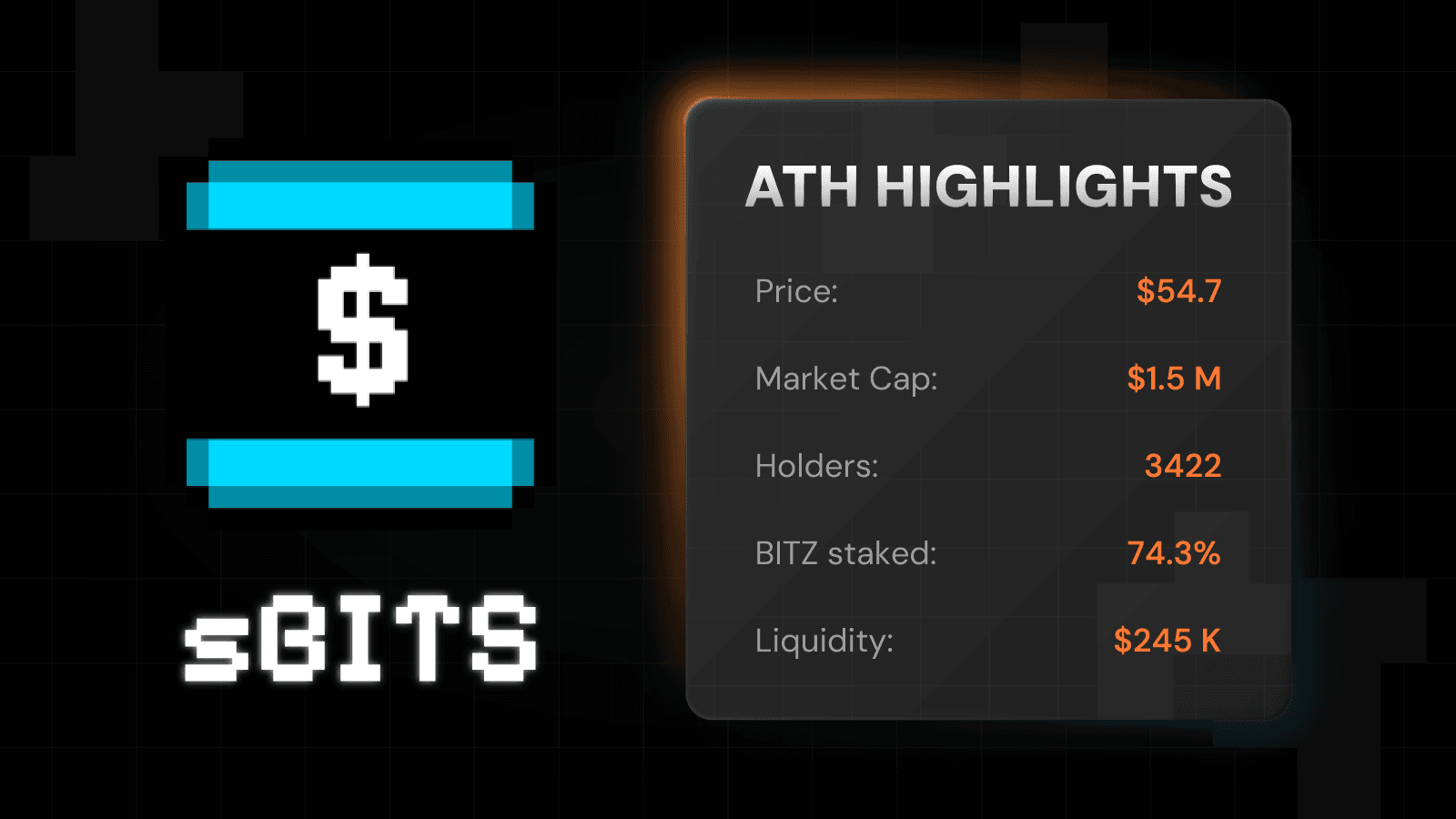
BITZ was a popular PoW-based token created by Eclipse, allowing ecosystem participants to mine and stake it. Staking produced real-time rewards, but required manual claiming and restaking, and locked tokens were unusable in DeFi, which significantly limited capital efficiency and reduced the overall utility of the asset. To solve this, we introduced sBITZ, a redeemable liquid staking token with automatic compounding every 10 seconds. Its price appreciated relative to BITZ through accrued rewards and it was fully usable across DeFi, enabling both higher yield and broader composability. sBITZ quickly reached a $1M market cap and over 2,000 holders in the first 24 hours, and within a few days over 70% of all BITZ was staked through sBITZ, establishing it as the primary staking mechanism in the ecosystem.

We conducted a detailed security audit of the Noks platform, which enables users to build, clone, and deploy AI agents for vibe trading. The review covered both backend and frontend systems, focusing on API security, data protection, and logic validation to prevent potential exploits. Our assessment ensured that sensitive information is properly secured and that the platform follows best practices for long-term resilience. By engaging developers with diverse expertise in software security and architecture, we provided a thorough evaluation that reinforced Noks stability, reliability, and readiness for production.
Arbitrage bots are one of our core competencies. We deploy them across EVM and SVM environments to capture and execute market inefficiencies between multiple liquidity sources, including decentralized exchanges and perpetual markets. Our systems are engineered for maximum speed, precision, and stability, enabling optimal performance even during high-volatility or liquidation events. We use proprietary software that validates each opportunity before execution to ensure profitability and accuracy. Our architecture supports simultaneous arbitrage across different exchanges within a single transaction, delivering professional-grade efficiency and consistency in on-chain operations.